

Description
200 kW Six-Input MPPT DC/DC Module · M200KPV6
200 kW Six-Input MPPT DC/DC Module
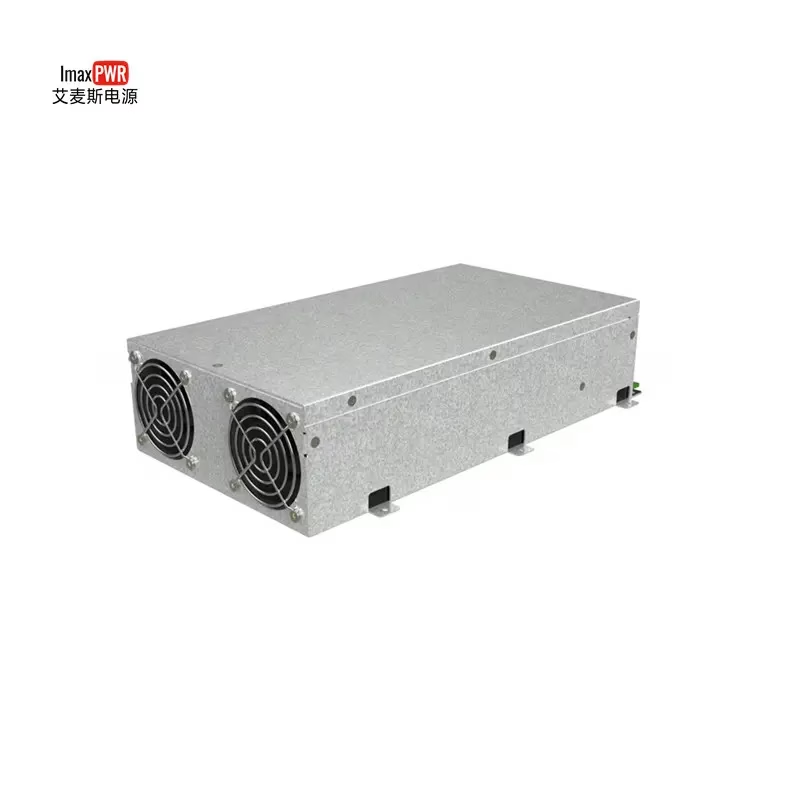
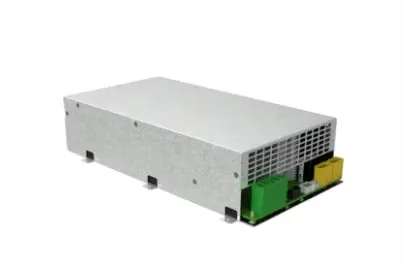
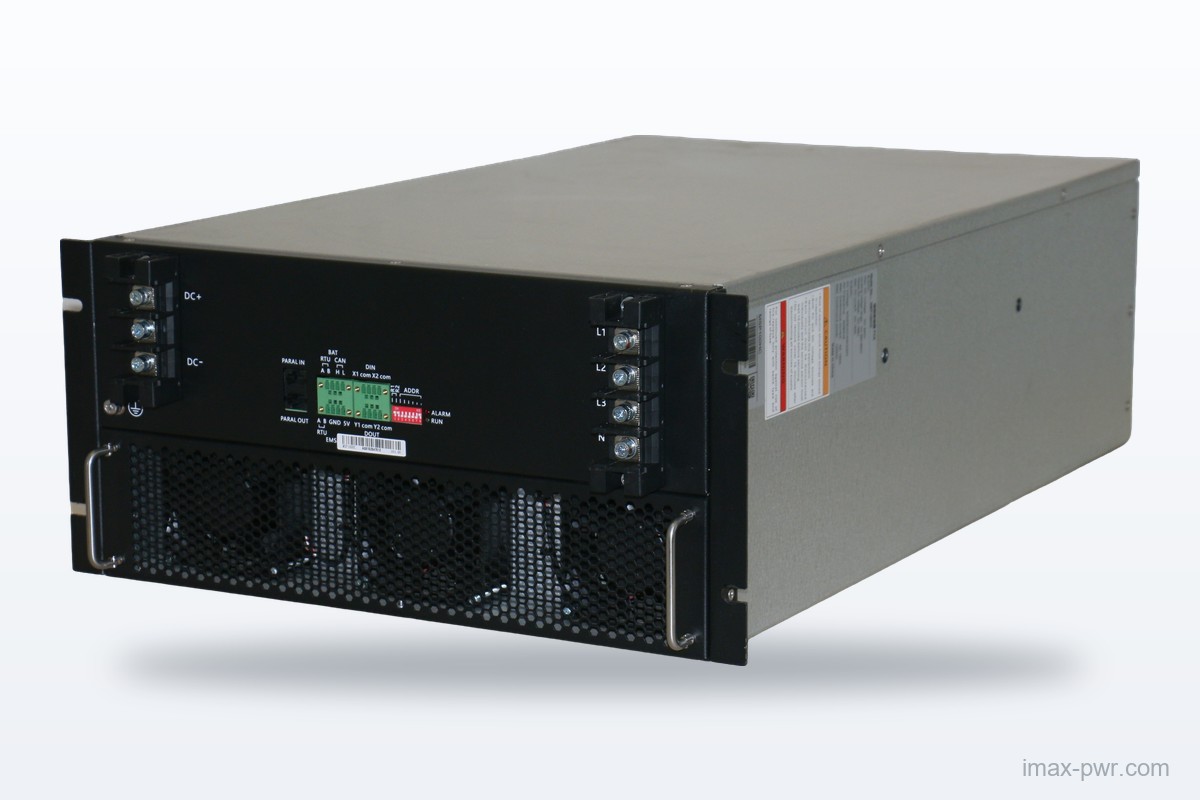
Six independent PV inputs at 45 A each, a 300–1000 Vdc bus side, 243 kW maximum continuous output and 99.4% peak efficiency — in a 350 × 140 × 615 mm chassis that parallels to 40 units.
By Ethan Li · Reviewed by Ethan Li · ImaxPWR engineering
243 kW max continuous
99.4% peak efficiency
40-unit parallel
What it does
The M200KPV6 is a boost-type, non-isolated DC/DC module that sits between a PV array and a 300–1000 Vdc bus. Its low-voltage side accepts six independent strings and tracks each one separately; its high-voltage side ties into the DC bus of a storage system, an EV charging hub or a DC microgrid.
Rated power is 200 kW. Maximum continuous output reaches 243 kW — the arithmetic ceiling of six inputs at 45 A against a 900 V PV side. Both numbers matter: the first is what a project should plan around, the second is what the hardware can do at the top of its voltage window.
The module is bidirectional. It boosts PV energy onto the bus, and it also runs charge, constant-voltage, constant-current and constant-power modes in the opposite direction, so a single unit can serve a system that both absorbs and delivers energy.
Why six inputs change the array design
A single-input converter forces every string on it to share one maximum power point. When one row of modules sits in shade, passes cloud edge or faces a different azimuth, the whole input collapses to the weakest string’s operating point. Six inputs break that coupling.
Each of the six channels handles 45 A and tracks its own curve across 150–900 V, with the MPPT window spanning 150–900 V and a 760 V nominal point. On a rooftop with parapets, vents or a chimney, or on a carport where two orientations share one inverter, that separation is the difference between harvesting the shaded row and writing it off.
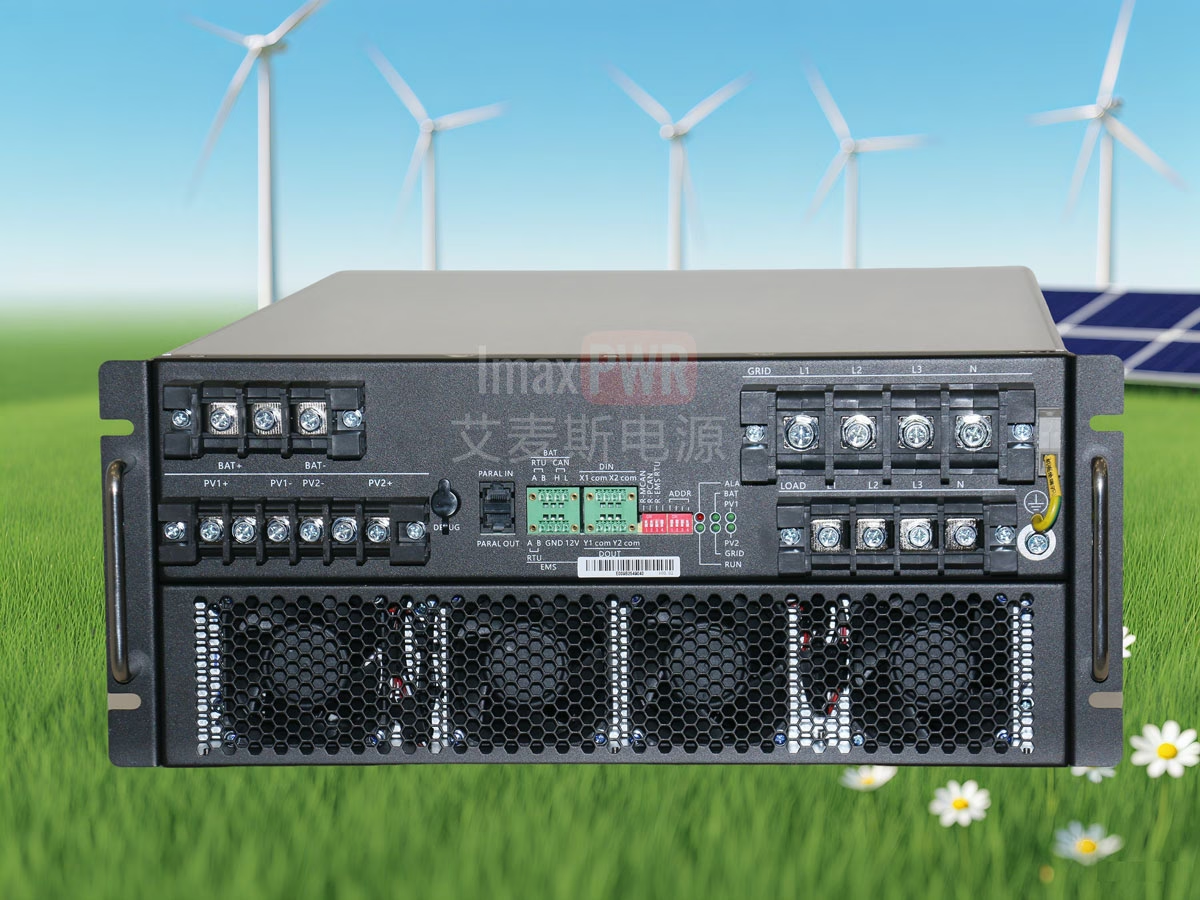
Six inputs also simplify cabling. Strings land on the module instead of being combined in a separate array box, which removes a junction enclosure, its fusing and its terminations from the bill of materials.
Design points that matter in the field
99.4% keeps the loss budget small
At 200 kW, a 99.4% design dissipates roughly 1.2 kW; a 98% design dissipates 4 kW. That difference decides whether a container needs a second cooling loop.
Boost topology, wide bus
The PV side runs 150–900 V; the bus side 300–1000 V. A boost stage lets a 600 V string reach an 800 V bus without a transformer, which is what keeps the unit at 30 kg.
40 units in parallel
Current sharing stays within 7% in constant-voltage mode, so a 4 MW block is 20 modules rather than a bespoke central converter.
Dark start
The module starts from the PV side with no grid or auxiliary supply present — useful on islands and on sites where the bus is energised after the array.
Three comms options
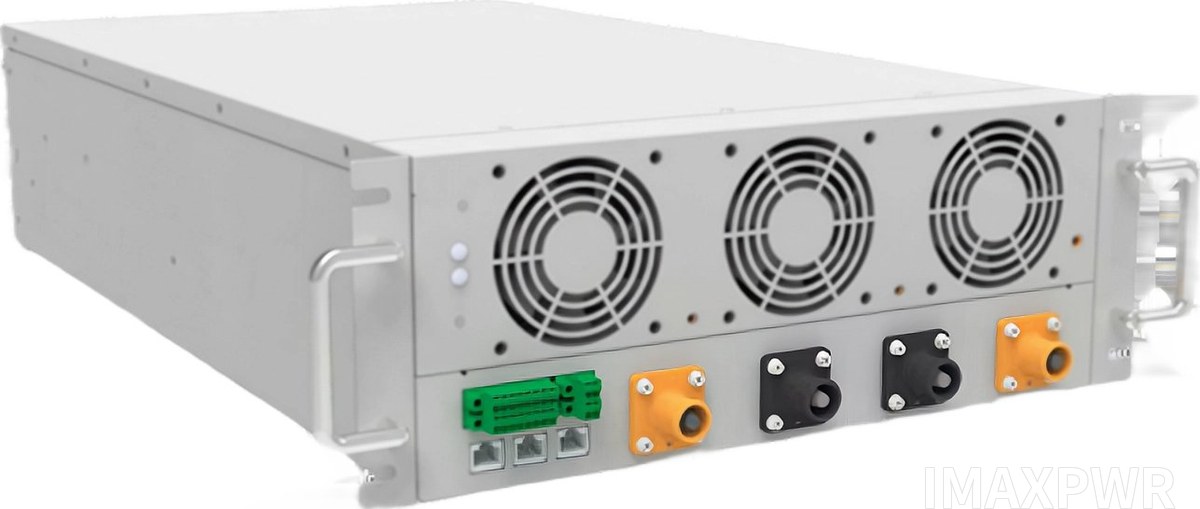
RS-485, CAN and optional Ethernet are native, so the module talks to a BMS, a PLC or a site EMS without a gateway.
Rack-sized at 30 kg
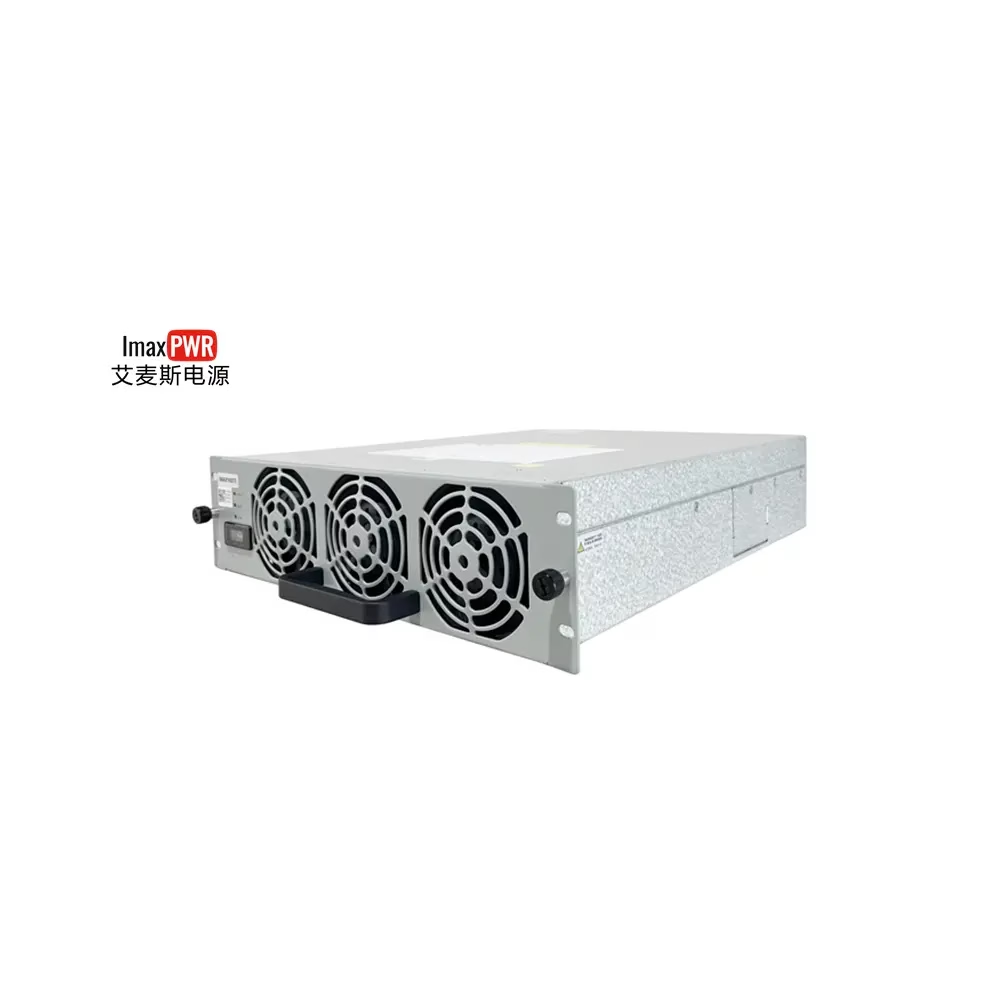
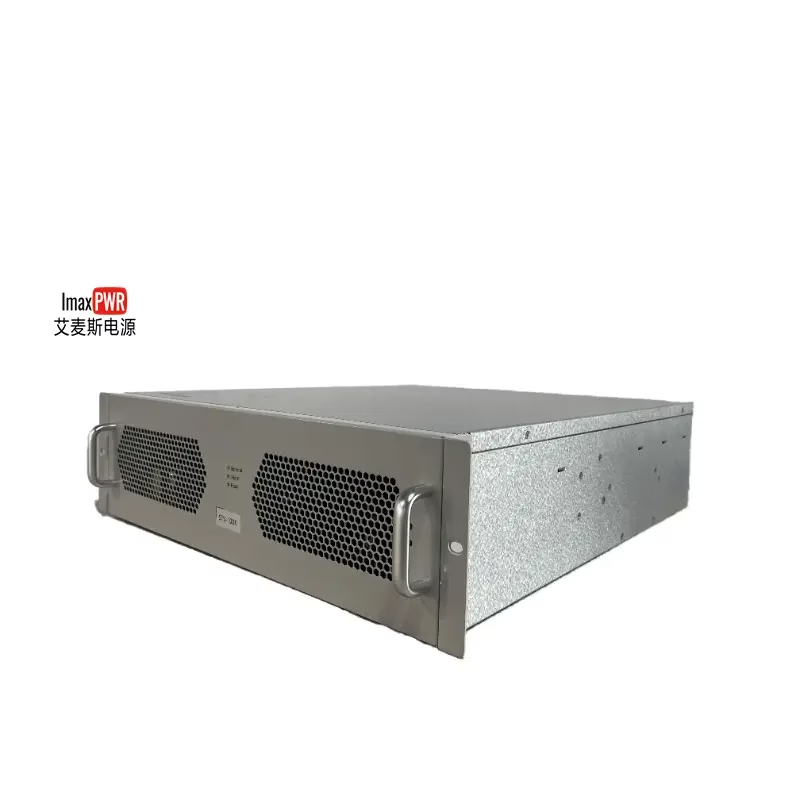
350 × 140 × 615 mm and under 30 kg — two people handle it, and it comes out of the front of a standard cabinet.
Technical specifications
| Parameter | M200KPV6 |
|---|---|
| DC bus side (HV) | |
| Rated voltage | 800 Vdc |
| Operating range | 300–1000 Vdc |
| Rated current | 256 A |
| PV / battery side (LV) | |
| Rated voltage | 760 Vdc |
| Operating / MPPT range | 150–900 Vdc |
| Rated current | 45 A × 6 inputs |
| Max continuous power | 243 kW |
| General | |
| Rated power | 200 kW |
| Peak / CEC efficiency | ≥99.4% / ≥99% |
| Topology | Boost, non-isolated, bidirectional |
| Operating modes | Constant current, constant voltage, constant power, PV (MPPT) |
| Current dynamics | <5 ms (10–90%) |
| Parallel capability | Up to 40 units, current imbalance <7% in CV mode |
| Communication | RS-485, CAN, Ethernet (optional) |
| Dimensions (W × H × D) | 350 × 140 × 615 mm (excluding mounting ears) |
| Weight | <30 kg |
| IP rating | IP20 |
| Operating temperature | −25 to 60 °C (derating from 50 °C) |
| Cooling | Intelligent forced air |
| Protection | Fuse, surge, reverse connection, insulation monitoring, over/under-voltage, over-current, short circuit, over-temperature, comms loss |
Where six inputs earn their keep
Three project types keep asking for this shape of converter, and each one fails differently with a single-input design.
Rooftops with obstructions
Parapets, stairwells, ventilation stacks and air-conditioning units throw hard shadows that move across the array through the day. With one input, the shadowed section drags the whole string down. With six, only the affected channel loses output and the other five keep tracking their own curves.
Multi-orientation carports and canopies
An east-facing row and a west-facing row on the same canopy produce peak power at different hours. Combining them on one input forces a compromise operating point all day; separate channels let each row run at its own maximum.
DC-coupled retrofits
Adding PV to an existing battery bus means inserting a converter between the array and a bus that is already at 700–800 V. Six inputs let the retrofit reuse the existing string layout instead of re-cabling into a new combiner.
Based on the published specification, the PV window starts at 150 V. A string that falls below that voltage at the end of the day stops contributing, so the bottom of the MPPT window — not the top — usually sets the minimum string length.
Integration notes
Thermal. Forced air with intelligent speed control, derating from 50 °C to 60 °C. In a container, the intake air temperature is what matters — recirculation inside a closed bay can push the module into derating long before the ambient sensor reads 50 °C.
Grounding. The topology is non-isolated, so array negative, bus negative and chassis share a reference. Insulation monitoring is integrated, but the array must be floated relative to earth or the monitoring will trip on a healthy system.
Protection coordination. The module carries an integrated fuse rated at least 50 kA short-circuit capacity and 1000 Vdc, with surge protection on the bus side only. A DC breaker on the array side is still a project-level decision, because the module cannot open an external fault.
Commissioning. Each of the six channels reports its own voltage and current. Walk the array one input at a time during commissioning — a miswired string shows up immediately as a channel reading zero while its neighbours are normal.
Sizing the module to an array
Start from the string current, not the nameplate. Each input carries 45 A, so six inputs accept 270 A of PV current in total. With a 200 kW rating, that current is reachable at around 740 V of array voltage — close to the 760 V nominal point, which is where the unit will spend most of its life.
A 900 V array pushes the same six inputs to 243 kW, but only at the top of the window. According to the published ratings, rated power is specified at 760 V; treat 243 kW as a ceiling that appears on a cold, bright day, not as the number to design a 243 kW block around.
Above 50 °C the module derates linearly to 60 °C. On a container roof in a hot climate, the derating point — not the peak power — sets how many modules a block needs.
One more number belongs in the sizing sheet: the bus current. At 200 kW and an 800 V bus the module draws 250 A; at the 300 V bottom of the bus window the same power would need over 660 A, which is beyond the 256 A rating. In practice this means the module reaches full power only above roughly 780 V of bus voltage, so a system that sags under load should be checked against the bus current limit before the power figure is trusted.
Frequently asked questions
Is this an MPPT controller or a DC/DC converter?
Both. It is a bidirectional boost converter whose PV mode performs maximum power point tracking on six independent inputs. The same hardware runs charge and discharge in constant current, voltage or power mode.
What is the difference between 200 kW and 243 kW?
200 kW is the rated power at the 760 V nominal PV voltage. 243 kW is the maximum continuous output at the 900 V top of the PV window, six inputs at 45 A each. Plan capacity on 200 kW.
Can the six inputs be paralleled into one array?
Yes. Where shading and orientation are uniform, the inputs can be combined and the module behaves like a single-input converter with 270 A of capacity. The six channels only pay off when the array is not uniform.
Does it need an external combiner box?
No. Strings terminate on the module, so a separate array combiner, its fusing and its enclosure come out of the design. Fusing, surge protection and insulation monitoring are integrated.
How many units for a megawatt-scale block?
Five modules at 200 kW reach 1 MW, and up to 40 can parallel on one bus with current imbalance under 7% in constant-voltage mode.
Related products
- M66KPV1 / M66KPV3 66 kW SiC MPPT PV boost module — three inputs at one third of the power, same boost principle.
- M66KPV and M66KDC DC/DC power modules — the 66 kW family with and without PV inputs.
- BIDC1000250N / T 250 kW bidirectional DC/DC converter — two-port version for battery-to-bus coupling without PV inputs.
- All bidirectional DC/DC and MPPT converters — the full range from 2.4 kW to 250 kW.
Comparing power classes? The product selector filters the catalogue by type, power and form factor.
Planning a six-string DC-coupled array?
Send the string layout, array voltages and bus voltage. We will confirm the module count and the derating margin before you commit.
info@imaxpwr.com | +86-13760212825
© ImaxPWR · IMAX Power Technology Co., Ltd. · www.imaxpwr.com (CN) · imax-pwr.com (EN)