

Description
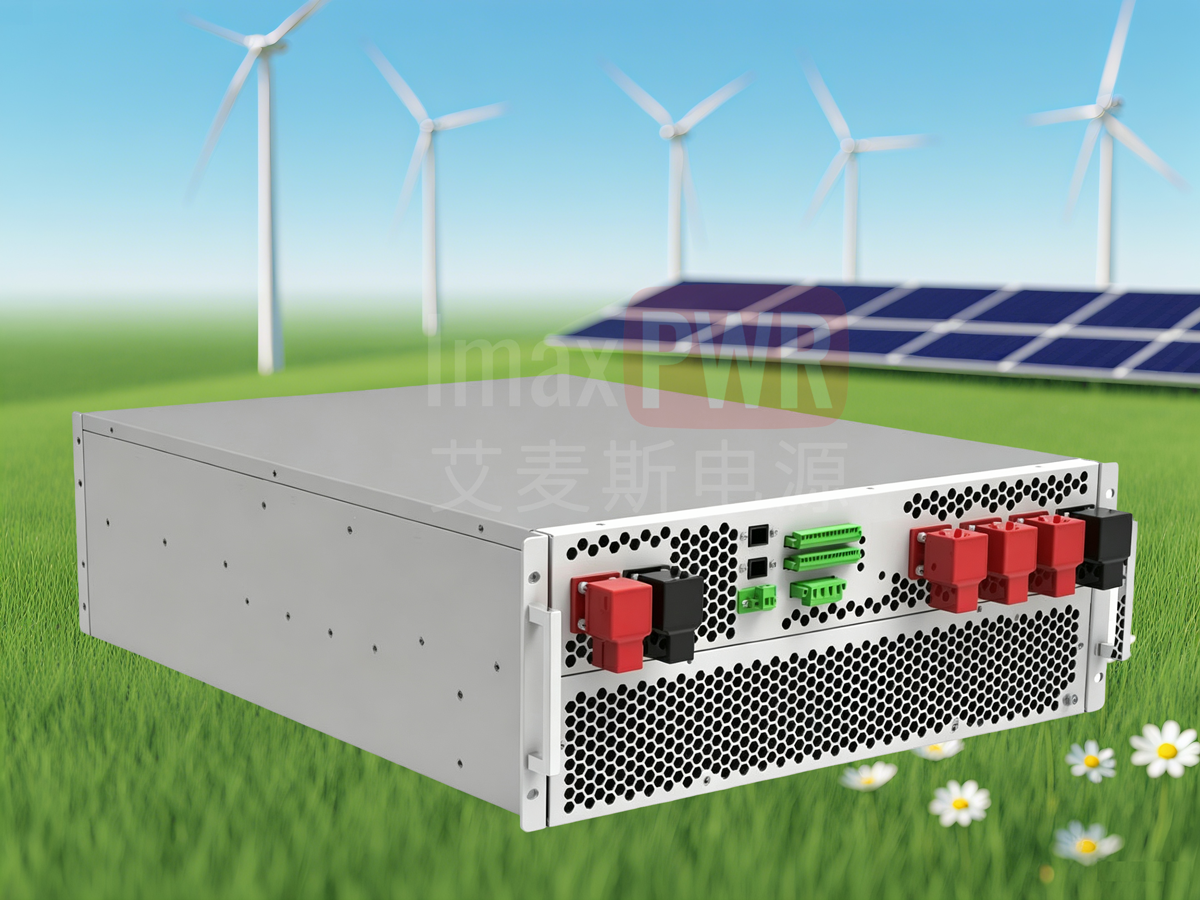
Product Positioning
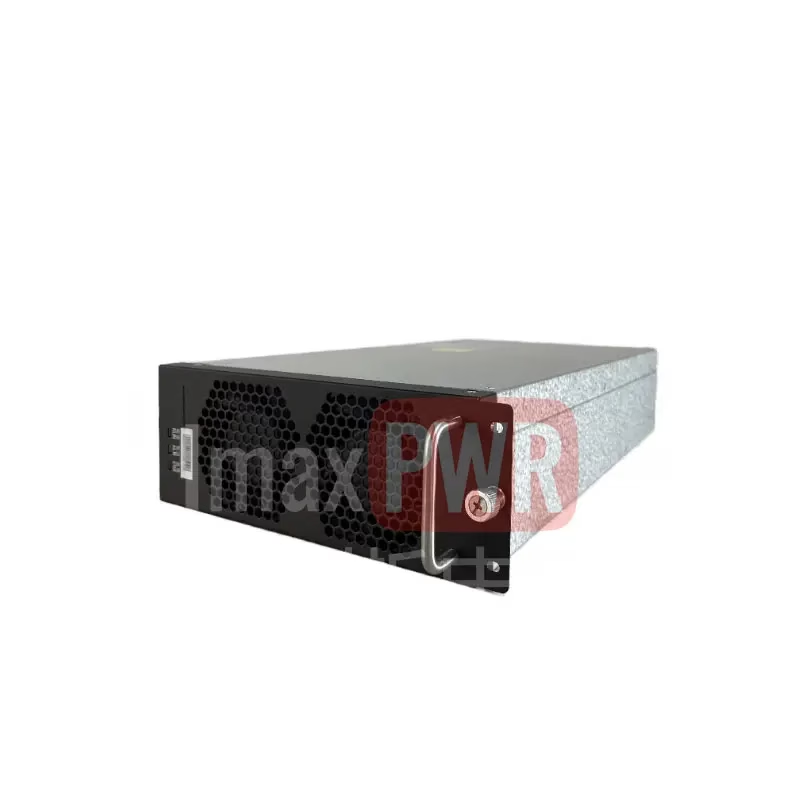
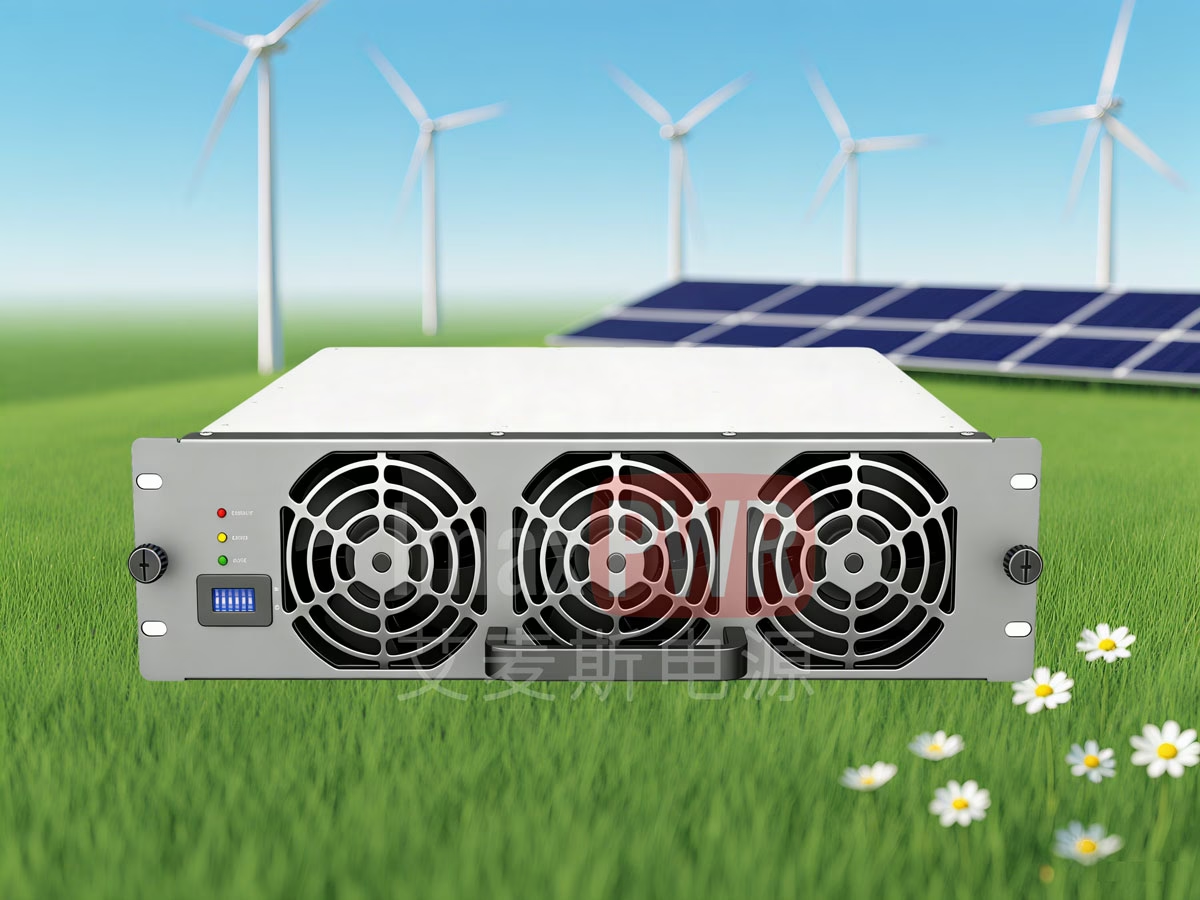
IMPPCS-125A2 is ImaxPWR’s 125kW three-phase four-leg energy storage PCS (Power Conversion System), rated AC400V/380V three-phase four-wire, with a DC operating range of DC600V~1000V. Compared with a conventional three-leg converter, its four-leg topology adds a dedicated neutral (N) leg that keeps the output voltages balanced even under severely unbalanced three-phase loads. It is the core bidirectional conversion unit for commercial & industrial (C&I) storage, grid-tied/off-grid microgrids, and flexible transformer-area interconnection.
Product Overview
An energy storage PCS is a bidirectional, current-controllable conversion stage between the battery system and the grid, regulating voltage, frequency and power accurately and rapidly, supporting constant-power/constant-current charge and discharge, and smoothing the output of fluctuating generation. The IMPPCS-125A2 not only inverts DC to AC as a conventional grid-tied converter, but also supports full bidirectional charge/discharge, serving PV and wind power smoothing, peak shaving, demand management, and microgrid applications.
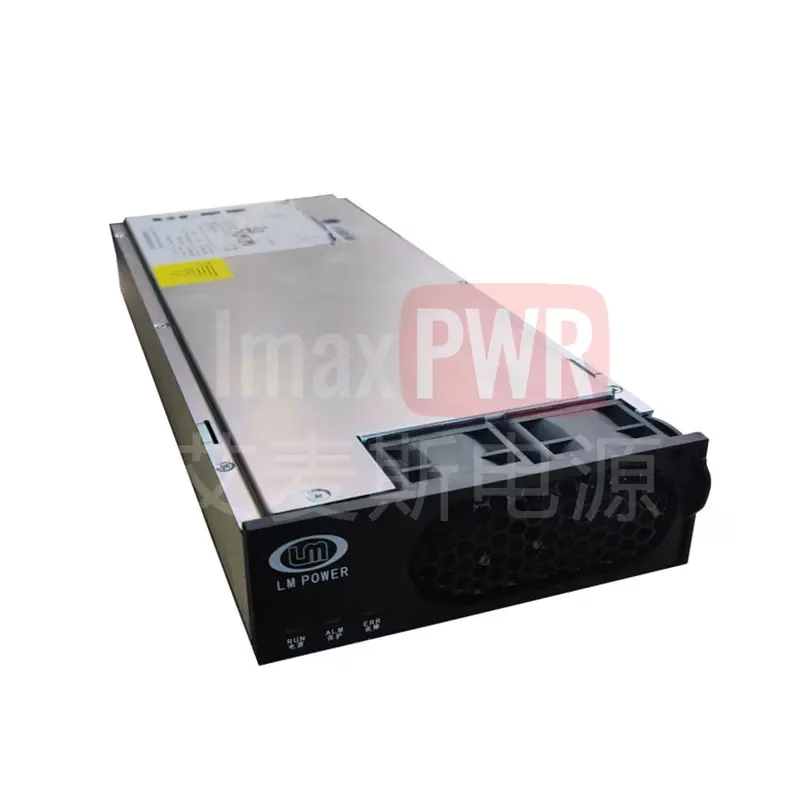
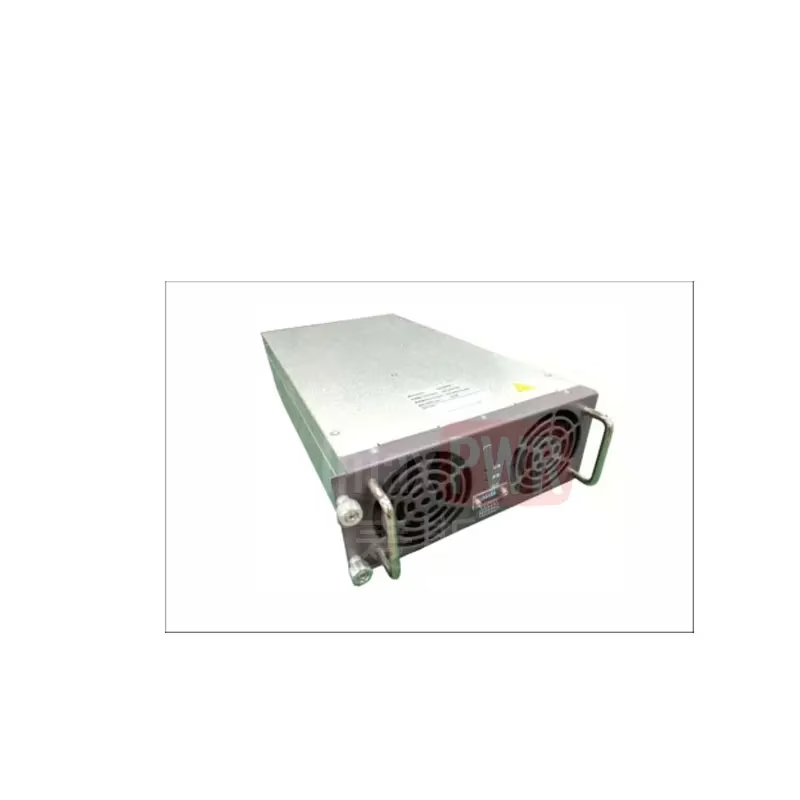
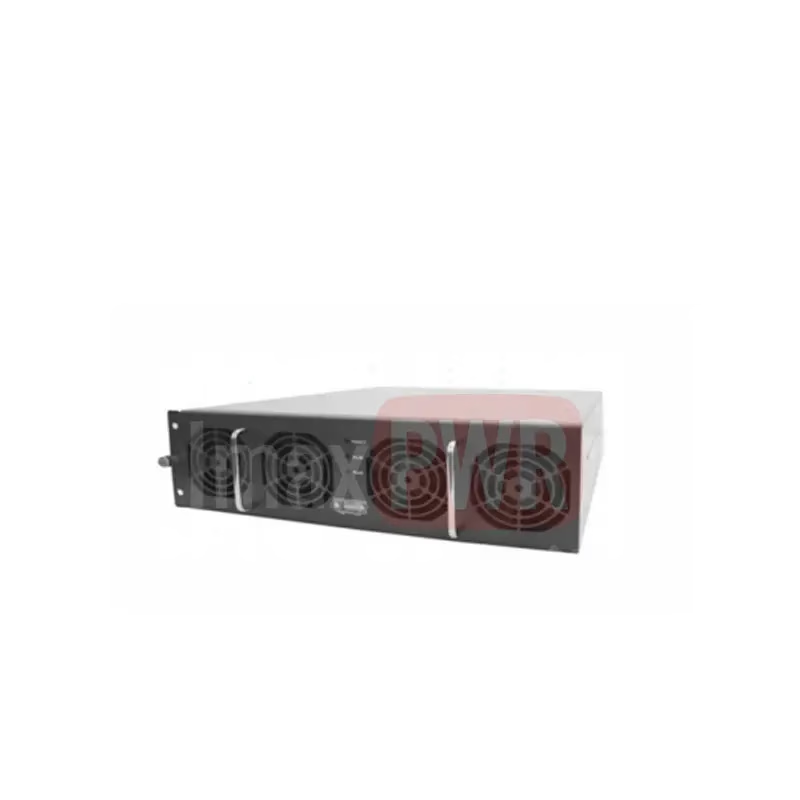
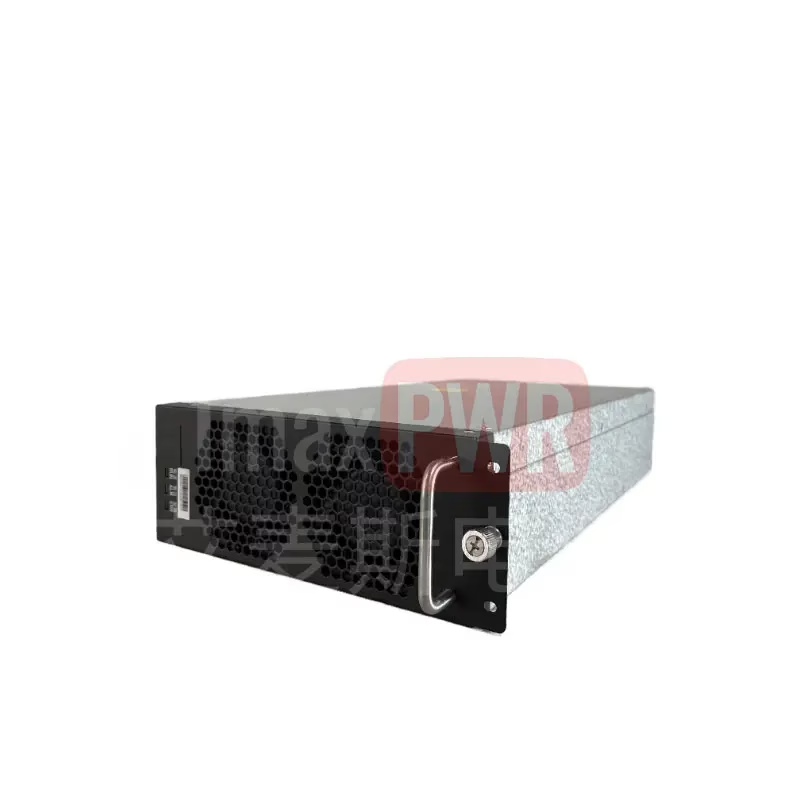
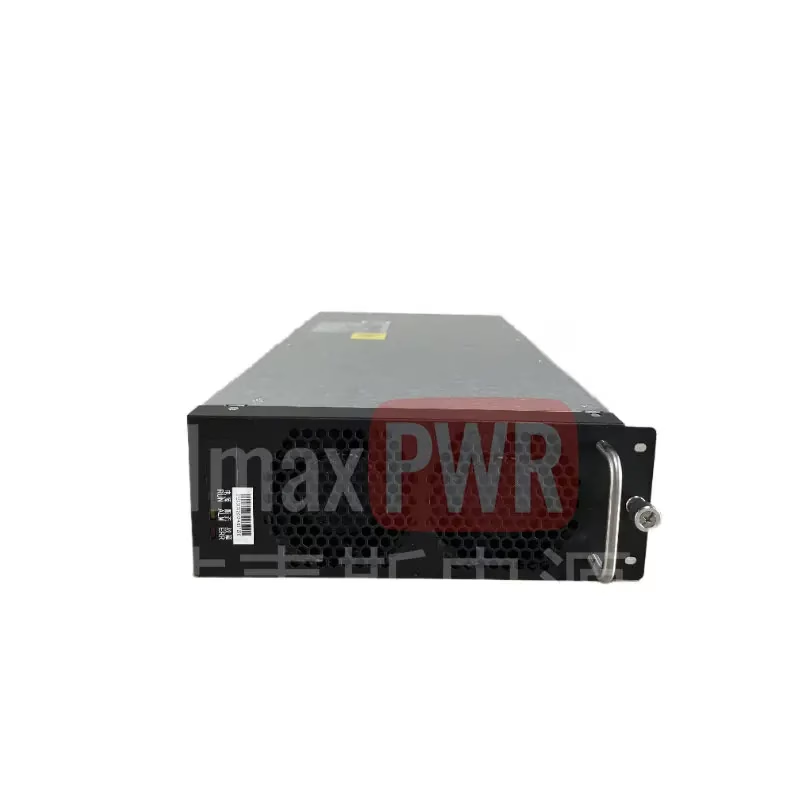
The unit uses a front-mounted primary/secondary panel with forced-air cooling (intake front, exhaust rear). Per the product datasheet, the dimensions are W520mm×H200mm×D680mm and the weight is no more than 60kg; multiple units can be paralleled in a cabinet for modular expansion. It communicates with the BMS via CAN or RS485, and with the EMS via Ethernet or RS485, giving flexible system integration.
Technical Specifications
The following parameters are taken from Section 3.6 of the IMPPCS-125A2 user manual, grouped into DC-side, grid-tied AC, off-grid AC, and mechanical/environmental ratings.
| Item | Specification |
|---|---|
| DC Side | |
| DC voltage range | DC600V~1000V (full load DC630~950V; derating at both ends) |
| Rated DC current | 198A |
| Rated DC power | 125kW |
| Grid-Tied AC | |
| Rated AC power | 125kW |
| Rated voltage / connection | AC400V/380V, three-phase four-wire |
| Rated AC current | 180A/190A |
| Overload capability | 1.1× continuous / 1.2× 1min (≤40°C ambient) |
| Grid voltage / frequency range | 400/380V (±15%); 50/60Hz±2.5Hz |
| Current THD | ≤3% (full load) |
| Power factor | 0.99 / -1~1 |
| Charge/discharge transition time | <100ms |
| Off-Grid AC | |
| Off-grid output voltage / frequency | AC400V/380V ±3%; 50/60Hz |
| Off-grid output THDu | ≤3% (linear load) |
| Unbalanced load capability | 100% |
| Other | |
| Max conversion efficiency | ≥99% (peak at full load >98%) |
| Operating temp / humidity | -30°C~60°C (derating above 50°C); humidity ≤95% |
| Protection / noise | IP20; noise ≤75dB |
| Altitude / weight | 3000m (derating above 2000m); ≤60kg |
| Cooling / comms | Forced air; BMS: CAN/RS485; EMS: Ethernet/RS485 |
Note: when two or more PCS are paralleled on both AC and DC sides, the minimum DC operating voltage is 680V. Off-grid operation at rated power is supported for purely resistive loads; contact our engineers for motor or impulse loads. Specifications are subject to the shipped product datasheet.
Key Advantages
1. Four-leg topology with 100% unbalanced load capability
With a conventional three-leg PCS, neutral current under severe three-phase unbalance distorts the phase voltages. The IMPPCS-125A2 adds a dedicated N leg that actively compensates neutral current; the rated unbalanced load capability is 100%, so with one phase at full load and the other two open, the three-phase output voltages remain balanced. This suits C&I and transformer-area sites where single-phase loads dominate.
2. Grid-tied/off-grid dual mode, charge-discharge transition <100ms
In grid-tied mode the battery DC is inverted to AC and fed into the grid, or grid AC is used to charge the battery; in off-grid mode the DC side connects the battery and the AC side supplies loads directly. On a grid fault the converter disconnects from the grid immediately and enters a fault state, with a charge/discharge direction changeover below 100ms. Together with islanding, DC overvoltage, and AC over/undervoltage protection, it meets supply-continuity requirements for grid-tied/off-grid sites.
3. High efficiency over a wide DC range, peak efficiency >98%
Maximum conversion efficiency is ≥99% and peak efficiency at full load is >98%. The DC600~1000V range covers mainstream battery-cluster voltages, with automatic derating in the 600~630V and 950~1000V bands. Current THD is ≤3% at full load and DC current component ≤0.5%. Per IEC 62116 anti-islanding and IEC 61000 harmonic/grid-adaptation limits for public grids, the unit’s grid-connected power quality meets or exceeds these requirements.
4. Wide-temperature, light and modular
Operating temperature is -30°C~60°C and altitude up to 3000m (derating above 2000m), suiting hot, high-altitude outdoor and semi-outdoor sites. The unit weighs ≤60kg at 520×200×680mm, uses forced-air cooling (front intake/rear exhaust), and supports multi-unit paralleled expansion with a minimum DC bus voltage of 680V.
Applications
- C&I peak shaving: a 125kW unit paired with a 200~300kWh battery cluster for peak-valley arbitrage and demand management, with the four-leg topology balancing mixed single/three-phase factory loads.
- Flexible transformer-area interconnection: the bidirectional converter links adjacent LV buses for DC-side power sharing and local PV consumption.
- Grid-tied/off-grid microgrid: sub-100ms mode switching provides uninterrupted AC power for base stations, remote plants and islands with weak grid supply.
- PV/wind smoothing: fast bidirectional regulation of fluctuating renewable output to smooth power at the point of interconnection.
FAQ
Q1: Why does the IMPPCS-125A2 use a four-leg topology?
The fourth leg adds a dedicated neutral bridge that actively compensates neutral current, keeping the three-phase output voltages balanced under severe single-phase unbalance. With a 100% unbalanced load capability, it suits C&I and transformer-area sites where single-phase loads are dominant.
Q2: What is the DC voltage range and which batteries can it pair with?
The DC operating range is DC600V~1000V (full-load band DC630V~950V) at 198A rated DC current. When two or more units are paralleled, the minimum DC operating voltage is 680V. Our engineers can size the battery cluster against the BMS voltage window.
Q3: How long does the grid-tied/off-grid switch take?
Charge/discharge direction changeover is below 100ms; on a grid fault the converter opens the grid-tie switch immediately. With islanding, DC overvoltage and AC over/undervoltage protection, it meets microgrid transfer-continuity requirements.
Q4: Can multiple units be paralleled?
Yes. With two or more PCS paralleled on both AC and DC sides, the minimum DC operating voltage is 680V, allowing cabinet expansion to match system capacity.
Related Products: 100kW Non-Isolated PCS MSP100HC · 100/125kW PCS with STS · PCS Energy Storage Converter Category · Product Center
About the Author
Ethan Li, energy storage systems engineer at ImaxPWR, with years of experience in PCS, DC/DC converters, BESS and microgrid design. He has supported the solution design and technical delivery of multiple domestic and international energy storage projects.
ImaxPWR is a National High-Tech Enterprise and source manufacturer of bidirectional converters, DC/DC, energy management and storage cabinet integration, with design, delivery and O&M services.
Need a full IMPPCS-125A2 selection and configuration?
Share your battery-cluster voltage, grid-tied/off-grid requirements and load unbalance; our team will size the DC voltage window, paralleling capacity and protection settings and deliver a tailored configuration.
Contact: COCO
Tel / WhatsApp: +86-13760212825
Email: info@imaxpwr.com
Website: https://imax-pwr.com
© 2026 ImaxPWR Power Co., Ltd. · This is a product technical introduction; specifications are subject to the shipped datasheet.