

6 Reasons Why V2G Integration Will Transform Your Microgrid BESS Performance in 2026

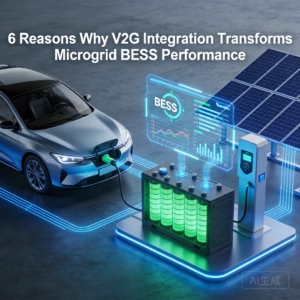
As electric vehicle adoption accelerates globally and renewable energy penetration deepens, the integration of Vehicle-to-Grid (V2G) technology with Microgrid and BESS systems has emerged as one of the most promising developments in the energy sector. This synergy not only enhances system reliability and economic returns but also creates new value streams for microgrid operators, electric vehicle owners, and utility companies alike.
In this article, we explore the six key reasons why V2G integration is transforming microgrid BESS performance and why forward-thinking energy project developers should consider this innovative approach for their next-generation energy systems.
1. Maximizing Asset Utilization and Lowering Capital Costs
One of the most compelling advantages of V2G integration lies in its ability to maximize the utilization of existing assets. Electric vehicle batteries sitting idle in parking garages or at charging stations can be activated as distributed energy storage resources, providing additional capacity to the microgrid during peak demand periods without requiring massive investments in new stationary BESS infrastructure.
According to recent industry studies, a typical electric vehicle battery is only used for driving about 5-10% of the day. The remaining capacity can be harnessed for frequency regulation, peak shaving, and backup power through V2G technology. This means that microgrid developers can right-size their stationary BESS installations while still meeting peak load requirements, significantly reducing upfront capital expenditures and improving project economics.
Additionally, by utilizing EV batteries for grid support functions through V2G, the overall lifecycle revenue potential of each battery is extended, creating additional income streams that accelerate return on investment for both EV owners and microgrid operators.
2. Enhancing Peak Shaving and Load Management Capabilities
Peak demand charges often represent a significant portion of energy costs for commercial and industrial microgrid operations. V2G integration dramatically enhances peak shaving capabilities by allowing multiple EVs to discharge their stored energy back into the microgrid during periods of high electricity consumption.
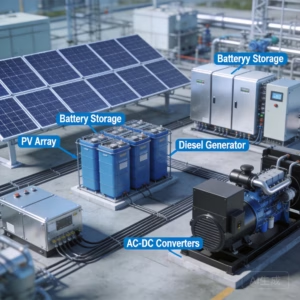
This flexible approach means that instead of relying solely on peaking generators or expanding stationary storage capacity to handle occasional peak demand events, system operators can tap into the distributed energy resources already available in the electric vehicle fleet connected to the microgrid. The AC-DC and DC-DC conversion infrastructure that already exists for EV charging can be repurposed for V2G operations with minimal modifications, especially when using modern intelligent power conversion systems like those from the power-router product line.
The result is a more dynamic and responsive load management system that can adapt to changing demand patterns while keeping costs under control.
3. Improving Grid Resilience and Backup Power Reliability
Grid resilience has become an increasingly important consideration for microgrid designers, particularly in regions prone to extreme weather events and grid instability. V2G integration adds an extra layer of resilience by providing additional distributed energy storage capacity that can be called upon when the main grid experiences outages or when renewable generation output is lower than expected.
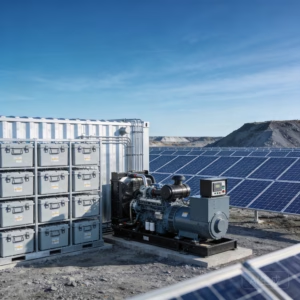
In islanded microgrid operations, V2G-capable EVs connected to the system act as mobile energy storage units that can provide critical backup power to maintain essential loads. This decentralized approach to energy storage improves system redundancy and reduces the reliance on a single large-scale BESS installation. When combined with proper solution engineering, V2G-enabled microgrids can achieve unprecedented levels of reliability.
Even in grid-connected modes, the ability to draw on stored energy from multiple EV batteries through V2G ensures that critical operations can continue uninterrupted during unexpected grid disturbances.
4. Creating New Revenue Streams for Microgrid Operators
V2G technology opens up exciting new revenue opportunities for microgrid operators beyond traditional energy sales. By aggregating the capacity of multiple V2G-enabled electric vehicles, operators can participate in ancillary services markets, providing frequency regulation, voltage support, and spinning reserve to utility grids.
These ancillary services can generate significant incremental revenue that helps offset the costs of EV charging infrastructure and microgrid operations. Furthermore, through demand response programs, V2G-enabled microgrids can receive payments for reducing grid consumption during system stress events, creating another valuable income stream.
EV owners can also benefit from this arrangement by receiving compensation for allowing their vehicles to participate in V2G programs, making EV ownership even more economically attractive while supporting the larger energy ecosystem. This win-win model is becoming increasingly popular at commercial facilities, workplace charging stations, and residential microgrid developments.
5. Supporting Higher Penetration of Renewable Energy
The intermittent nature of wind and solar generation remains one of the key challenges for achieving high renewable penetration in microgrid systems. V2G integration helps address this challenge by providing additional flexible capacity that can absorb excess renewable generation during periods of high production and discharge it back to the grid when generation output drops.
This improved capability to balance supply and demand enables microgrid planners to pursue more ambitious renewable energy targets without compromising on reliability or increasing BESS costs proportionally. When solar generation exceeds microgrid load on a sunny day, the excess energy can be used to charge connected EV batteries, which can then feed that energy back into the system through V2G when the sun isn’t shining.
Advanced power management systems with intelligent MPPT and PCS technologies are essential for optimizing these complex energy flows and ensuring efficient operation of V2G-enabled systems.
6. Future-Proofing Your Microgrid for Electrification Trends
The global trend toward transportation electrification is undeniable, with more organizations and individuals adopting electric vehicles every year. By designing your microgrid with V2G capability from the outset, you’re future-proofing your infrastructure to accommodate this growth and take advantage of the benefits that come with it.
As more EVs connect to your microgrid, the V2G capacity naturally expands, providing increasing benefits over time without requiring massive incremental investments in stationary storage. This scalable approach aligns perfectly with the gradual adoption of electric vehicles, allowing your microgrid’s energy storage capabilities to grow in step with EV deployment.
Moreover, V2G integration paves the way for other innovations like STS (Station-to-Vehicle) and other smart charging technologies that further optimize energy management in connected environments.
Key Considerations for V2G Implementation
While the benefits of V2G integration are clear, successful implementation requires careful consideration of several technical factors:
- Battery Degradation: The additional charge-discharge cycles from V2G operations need to be managed properly to avoid accelerating battery degradation. Advanced battery management systems and smart charging algorithms are essential for balancing revenue generation with battery health.
- Power Conversion Infrastructure: V2G requires bidirectional power conversion capabilities, which means selecting the right AC-DC and DC-DC equipment is critical for efficient and reliable operation.
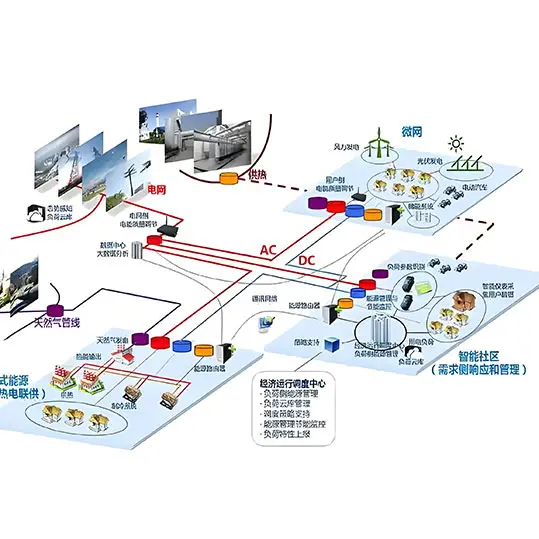
- System Coordination: Coordinating between multiple EVs, renewable generation sources, and the existing BESS requires sophisticated energy management systems and control strategies.
- Regulatory Framework: Depending on your location, regulatory and policy frameworks for V2G participation in energy markets may still be evolving, requiring careful navigation of existing rules and regulations.
Conclusion
Vehicle-to-Grid integration represents a transformative development for microgrid and BESS systems, offering compelling benefits from improved asset utilization to enhanced resilience and new revenue opportunities. As electric vehicle adoption continues to accelerate, the potential of V2G to reshape our energy systems will only grow stronger.
By understanding these six key reasons and working with experienced technology partners, microgrid developers can position themselves at the forefront of this exciting trend, creating more flexible, resilient, and economically attractive energy systems for the future.
Imax Power is a national high-tech enterprise focusing on the research and development, sales and manufacturing of intelligent microgrid converters. We supply New Energy Integrated Energy Storage System and BESS solutions for clients worldwide. Our advanced power conversion technologies including MPPT, PCS, bidirectional AC-DC/DC-DC converters, and the innovative power-router system enable seamless integration of V2G technology into modern microgrid projects.
If you’re planning a microgrid or BESS project and want to explore how V2G integration can enhance performance and create new value opportunities, please don’t hesitate to contact us for a professional consultation.
Contact: Coco
Phone: +86-13760212825
Email: info@imaxpwr.com
We look forward to working with you to build the next generation of sustainable, resilient energy systems.