
「knowledge17」Battery Degradation Mechanisms Engineers Actually Worry About
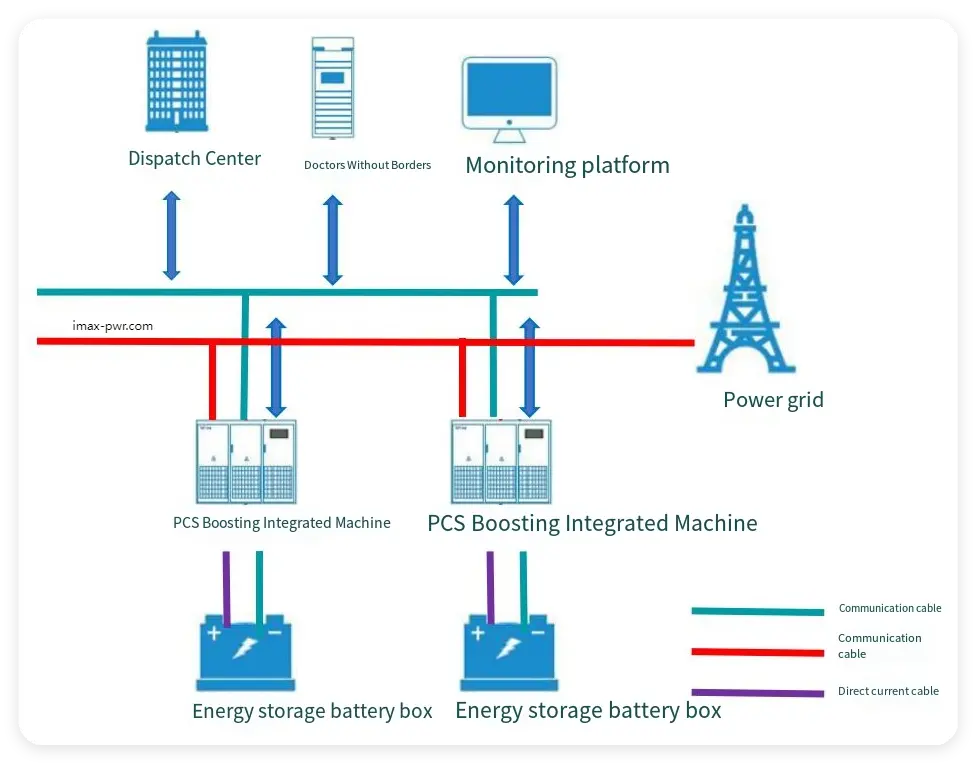
Battery Degradation Mechanisms Engineers Actually Worry About 1. More Than Cycle Count Calendar aging, temperature stress, and voltage ripple often dominate degradation. 2. Power Conversion Effects Unstable DC voltage and excessive ripple accelerate chemical wear. 3. Engineering Mitigation High-quality power products reduce electrical stress on batteries, extending service life.👉 https://imax-pwr.com/product/ 4. Conclusion Battery health is […]
「knowledge16」Depth of Discharge (DoD): How It Impacts Real Project Economics
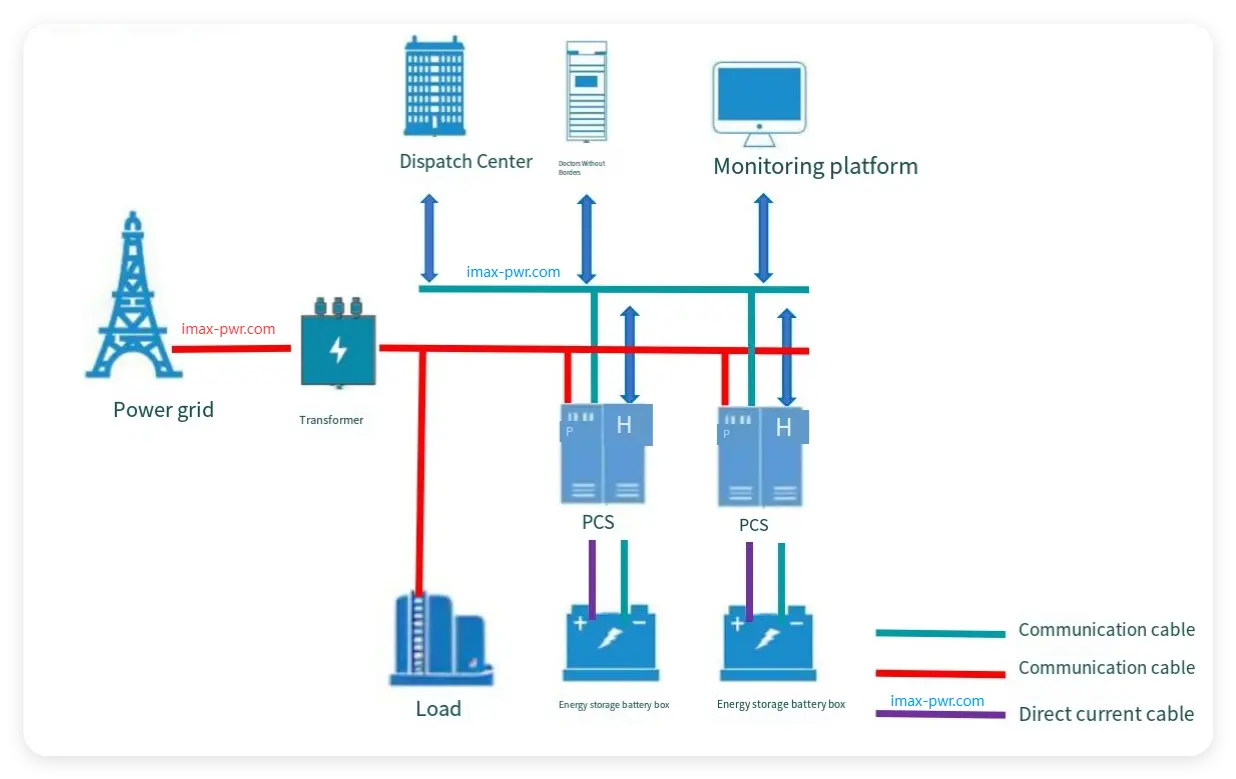
Depth of Discharge (DoD): How It Impacts Real Project Economics 1. The DoD Misconception Higher DoD is often marketed as better utilization. Engineers know it accelerates aging. 2. Degradation vs Revenue Operating near maximum DoD increases short-term output but reduces long-term availability. 3. Control Strategy Matters Power electronics and EMS control can limit harmful cycling […]
「knowledge15」Battery C-Rate Explained: Why It Limits System Design
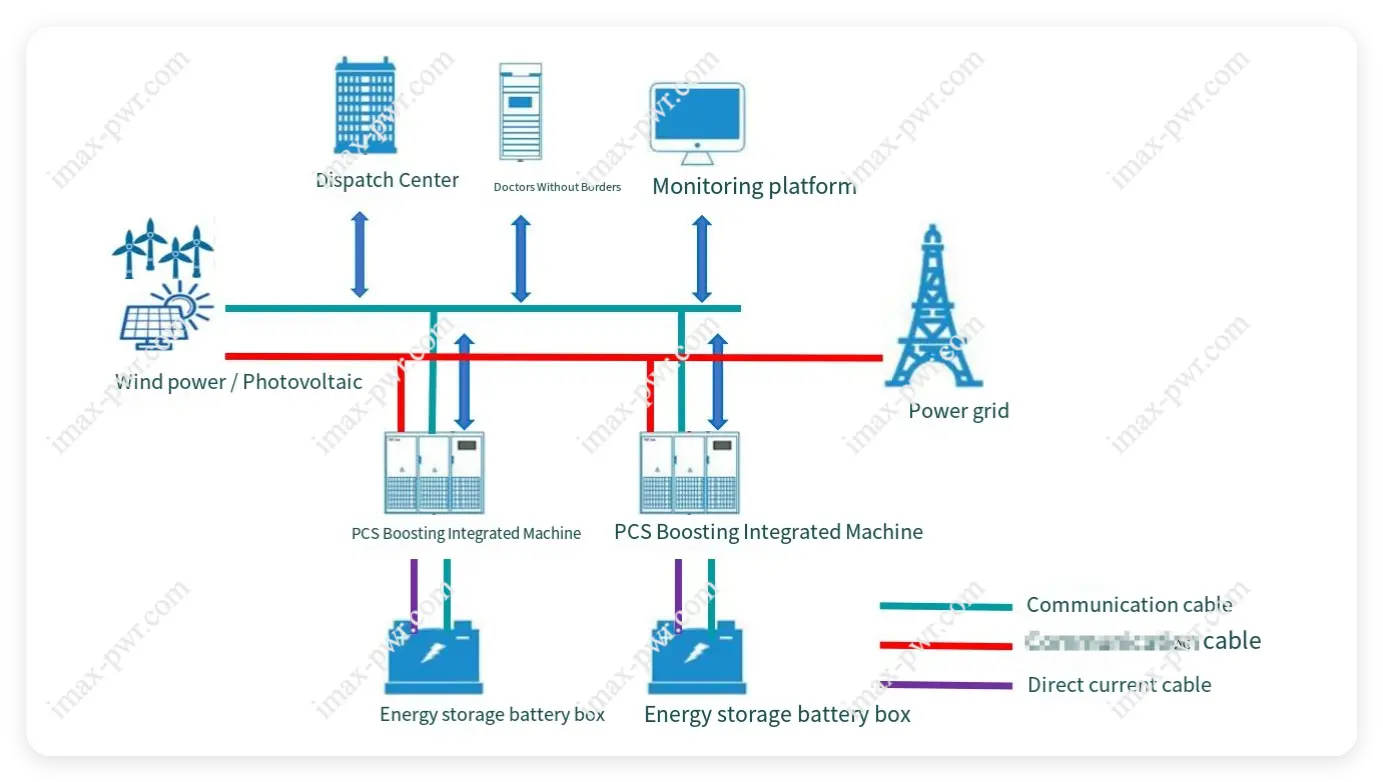
Battery C-Rate Explained: Why It Limits System Design 1. C-Rate Is a System Constraint C-rate defines how fast energy can be moved safely. 2. Impact on Power Electronics High C-rate demands: Higher PCS current capacity Better thermal management Stronger protection coordination 3. Engineering Trade-Offs Designing for extreme C-rates increases cost and stress without always improving […]
「knowledge14」Why LFP Became the Dominant Choice for Stationary Energy Storage

Why LFP Became the Dominant Choice for Stationary Energy Storage 1. Stability Over Density Stationary storage values predictability more than compactness. 2. Engineering Advantages LFP offers: Lower thermal runaway risk Longer calendar life Simplified protection design These traits reduce system-level complexity. 3. Power Electronics Compatibility Wide voltage tolerance in modern power products allows LFP systems […]
「knowledge12」Why Energy Storage Projects Fail Even with “Good” Hardware
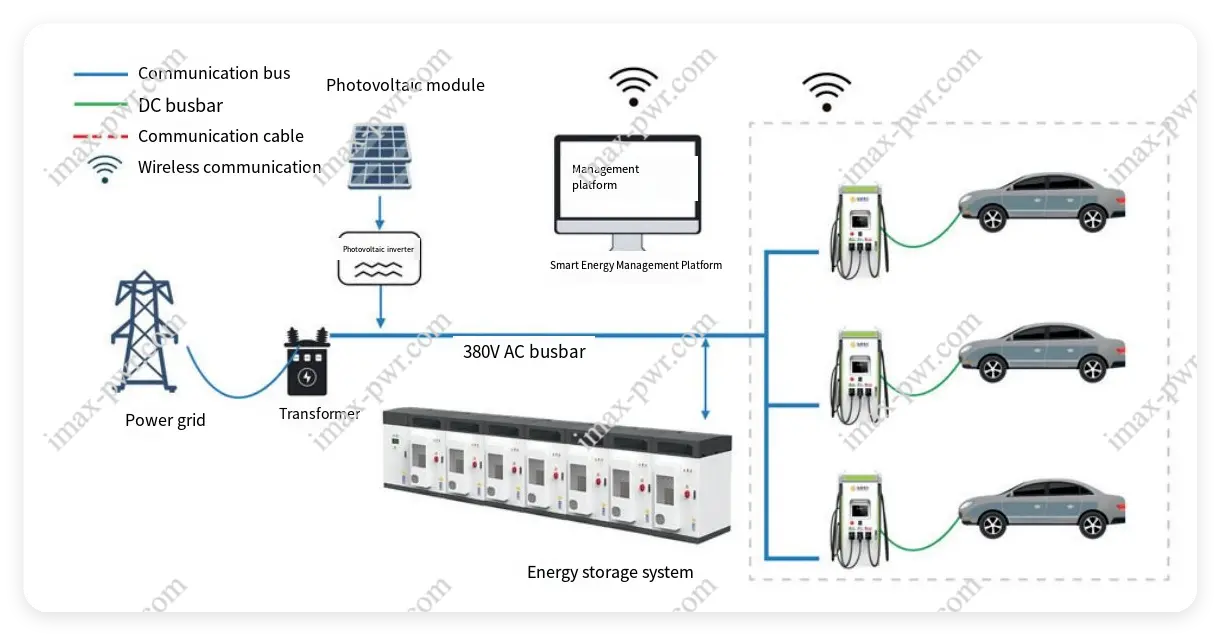
Why Energy Storage Projects Fail Even with “Good” Hardware 1. Hardware Quality Is Necessary but Not Sufficient Many failed projects use reputable components. Failure often results from system-level design gaps, not defective hardware. 2. Integration Is the Weakest Link Common failure causes include: Incompatible control logic Communication delays Poor coordination between PCS, BMS, and EMS […]