PV-Storage Microgrid: 4 Core Design Principles That Make or Break Your Project
Introduction
As the world accelerates toward clean energy transition, PV-storage microgrid has emerged as one of the most promising solutions for decentralized power supply. Whether it’s powering a remote industrial site, providing backup for critical infrastructure, or enabling energy independence for communities, the combination of solar photovoltaic generation with battery energy storage creates a flexible, reliable, and environmentally friendly power system.
At Imaxpower, we’ve delivered dozens of PV-storage microgrid projects across different industries and climate conditions. Through years of hands-on engineering experience, we’ve learned that success doesn’t just come from piling up good components – it depends on following proven design principles from the very beginning. In this article, we break down the four core design principles that can make or break your PV-storage microgrid project.
1. What is a PV-Storage Microgrid and Why Do We Need It?
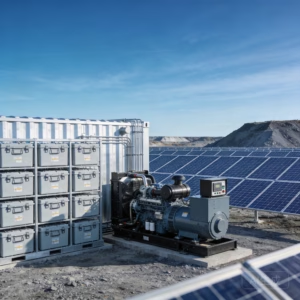
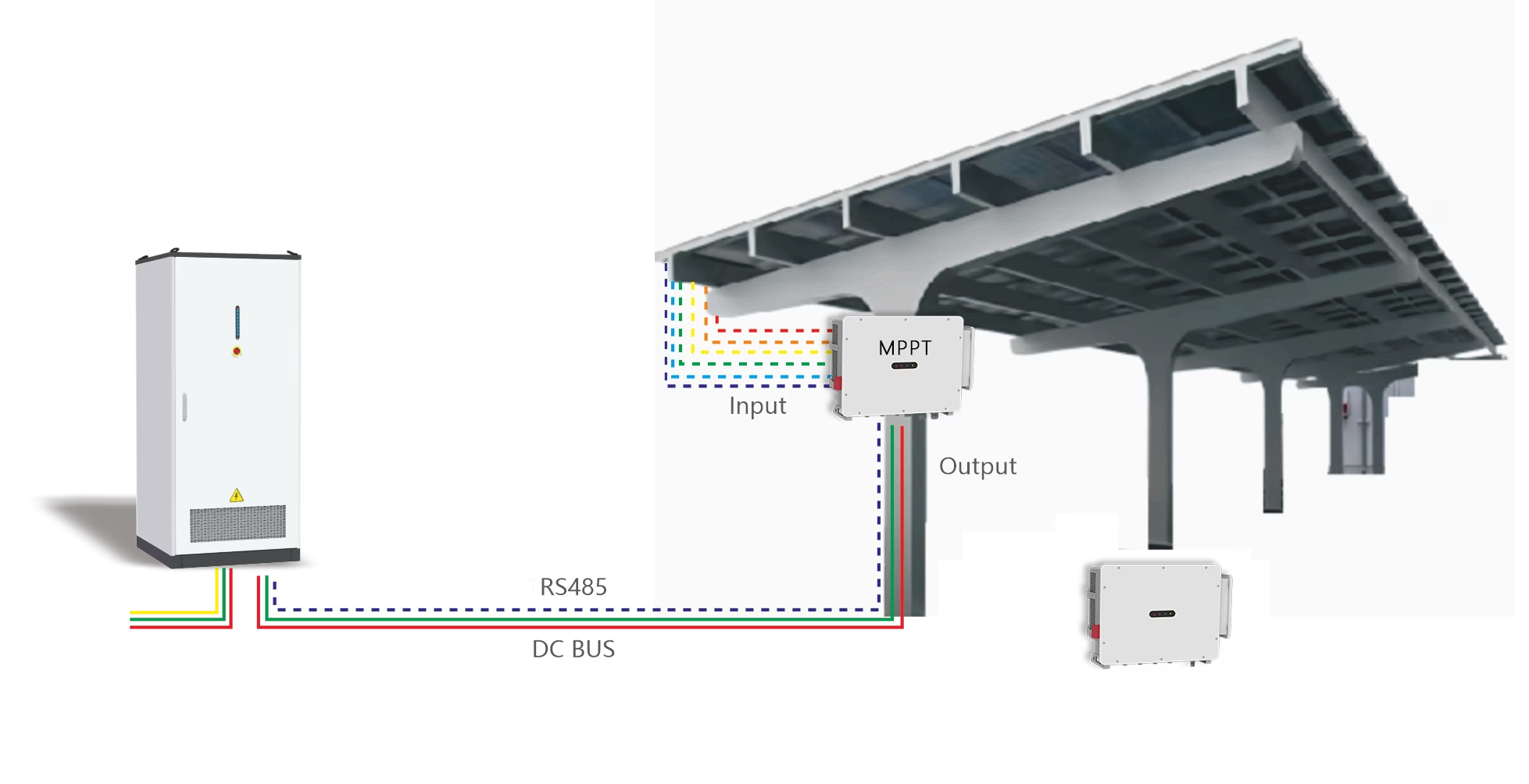
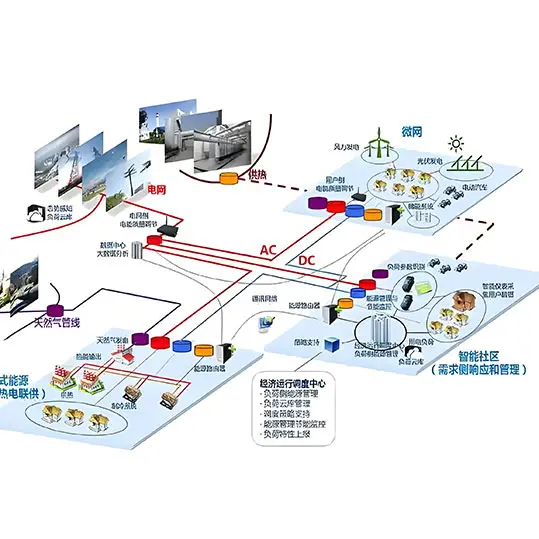
A PV-storage microgrid is a decentralized power system that combines solar photovoltaic generation, battery energy storage, and intelligent control systems to operate either grid-tied or in islanding mode. Compared to traditional diesel-only generation or simple solar systems without storage, it offers three major advantages:
- Higher renewable penetration: Maximize solar energy utilization, reduce fossil fuel consumption
- Improved power quality and reliability: Battery storage smooths out solar fluctuations and provides backup power
- Energy independence: Reduces dependence on the main grid or fuel supply chains
With the dramatic cost reductions in solar panels and lithium-ion batteries over the past decade, PV-storage microgrids have become economically competitive with traditional solutions in many applications, from remote mining operations to community resilience projects.
2. Four Core Design Principles for Success
2.1 Right-Sizing: Match the System to Your Actual Load Profile
One of the most common design mistakes we see is over-sizing or under-sizing the system, especially the battery capacity. The correct sizing depends on understanding:
- Daily and seasonal load variation
- Local solar resource characteristics
- Required backup autonomy
- Economic objectives (IRR, payback period)
At Imaxpower, we use hourly simulation over a full year to optimize the sizing of both PV arrays and battery storage. This data-driven approach ensures you don’t waste capital on over-sized capacity while meeting your reliability requirements.
2.2 Intelligent Energy Management System (EMS) is The Brain
Many people think that PV-storage microgrid is just solar panels plus batteries – but without a sophisticated energy management system, you won’t achieve optimal performance. The EMS needs to:
- Forecast solar generation and load demand
- Optimize battery charging/discharging schedule
- Maintain frequency and voltage stability in islanding mode
- Seamlessly transition between grid-tied and islanding operation
Our EMS design incorporates machine learning-based forecasting and multi-objective optimization, automatically balancing between operating cost, battery life preservation, and reliability requirements.
2.3 Climate Adaptation Matters More Than You Think
PV-storage microgrids often operate in harsh environmental conditions – from extreme cold in high-altitude regions to extreme heat and humidity in tropical desert areas. All major components need to be properly engineered for the specific climate:
- Battery thermal management systems (heating for cold, cooling for heat)
- Corrosion protection for coastal and island installations
- Dust and sand protection for desert environments
- Structural design to withstand extreme weather events like hurricanes
Cutting corners on climate adaptation will lead to premature component failure and higher maintenance costs over the system lifespan.
2.4 Modularity and Scalability for Future Growth
Most projects don’t need maximum capacity from day one – load typically grows gradually over time. A good PV-storage microgrid design should be modular and scalable:
- Start with the capacity you need today
- Add more PV or battery capacity incrementally as load grows
- No major reconstruction required for expansion
- Lower upfront capital expenditure
This modular approach protects your initial investment and aligns with phased project development, making financing easier to arrange.
3. Typical Application Scenarios
Remote Industrial Sites
Mining, oil & gas exploration, and remote construction camps are ideal applications for PV-storage microgrid. The fuel cost savings typically pay back the investment within 3-5 years.
Community & Resilience Microgrids
Provide reliable power to communities in areas with weak grid infrastructure, and ensure continuous power supply during extreme weather events that may cause main grid outages.
Commercial & Industrial Cogeneration
Factory and warehouse facilities can reduce peak demand charges from the grid, improve power quality, and have backup power for critical production equipment.
Island and Remote Coastal Development
Islands face extremely high fuel transportation costs, so solar-storage microgrid provides enormous economic and environmental benefits compared to diesel-only generation.
4. Economic Analysis: What’s the Business Case?
Based on our project data, here’s what you can typically expect from a well-designed PV-storage microgrid:
- Diesel fuel displacement: 50% – 80% (depending on solar resource)
- CO2 emission reduction: 40% – 70%
- Typical project payback: 4 – 6 years
- System design lifespan: 20 – 25 years
With continuing technology cost reductions and increasing fuel prices, the economics keep improving year by year. For most remote projects with diesel price above $1.2 per liter, the investment already has a positive IRR today.
Conclusion: The Future of PV-Storage Microgrid
As battery technology continues to improve and costs keep falling, we expect PV-storage microgrid adoption to accelerate dramatically over the next decade. The fundamental design principles, however, remain unchanged: right-sizing based on actual load data, intelligent energy management, climate adaptation, and modular scalability.
By following these four core principles from the initial design phase, you can maximize the economic benefits, reliability, and lifespan of your project. Cutting corners on any of these principles will likely lead to disappointed expectations and higher lifecycle costs.
About Imaxpower
Imaxpower is a professional energy storage and microgrid solution provider with extensive experience delivering turnkey PV-storage microgrid projects to remote and industrial customers worldwide. We specialize in customized system design, equipment supply, and complete project delivery that matches your specific requirements.
If you’re planning a new microgrid project and need professional engineering expertise and quotation, feel free to contact us:
📞 Contact Phone: +86-19066355917
📧 Email: info@imaxpwr.com
We welcome your inquiry and will work with you to create an optimized PV-storage microgrid solution that meets your power needs and budget.