Solar and Energy Storage Integration Solutions – Power
Overview of Photovoltaic (PV) Power Generation and Energy Storage Systems (ESS)
Photovoltaic (PV) power generation uses solar panels to convert sunlight directly into electricity, providing a clean and cost-effective renewable energy source. However, it relies solely on sunlight, limiting power generation to daylight hours.
Energy Storage Systems (ESS) are crucial for overcoming this limitation. They store surplus energy generated during peak sunlight and release it as needed, ensuring a reliable power supply. Common ESS types include lithium-ion batteries, flow batteries, and thermal storage systems.
IMAX Power specializes in delivering comprehensive energy storage solutions. Our advanced technology and support systems enhance performance and reliability, offering exceptional services for PV and ESS integration. With our expertise, clients can optimize energy management, reduce grid dependency, and enhance system resilience.
This article explores the integration of PV and ESS, discussing their advantages, applications, and future trends, highlighting their critical synergy for sustainable energy.
Importance of PV and ESS Integration
Standalone PV systems face challenges due to their reliance on sunlight, leading to intermittency and mismatches between peak production and demand. Solar power generation fluctuates daily, peaking at midday and declining at sunset, not aligning with peak evening demand. Weather conditions like clouds, rain, and snow further disrupt solar output, making it an unreliable sole energy source. These fluctuations necessitate a robust solution for a continuous and stable power supply.
ESS addresses these challenges by storing excess energy from PV systems and utilizing it when demand is high or solar output is low, ensuring a balanced and reliable energy supply. For example, surplus energy can be stored in batteries on sunny days and dispatched during evenings or cloudy periods, reducing grid dependency and maintaining a stable power supply. Additionally, ESS smooths out short-term fluctuations caused by passing clouds, contributing to grid stability.
IMAX Power plays a key role in this field, offering advanced solutions that enhance the efficiency and reliability of integrated PV and ESS systems, enabling effective load balancing, grid stability, and backup power provision. These products are crucial for the transition towards sustainable energy.
Role of IMAX Power in PV and ESS Integration
At IMAX Power, we are committed to advancing PV power generation and ESS. Our mission is to provide state-of-the-art solutions that tackle renewable energy challenges and enhance system efficiency and reliability.
As leaders in the renewable energy sector, we offer a range of advanced technologies to improve the performance of integrated PV and ESS systems. We develop efficient energy storage technologies and provide integration services to ensure seamless operation between PV systems and ESS. Our holistic approach maximizes energy efficiency, ensures a stable power supply, and effectively addresses the intermittency of solar power generation.
Our product portfolio includes:
- Advanced lithium-ion batteries: Known for their high energy density and long cycle life, they are ideal for storing large amounts of solar energy.
- Thermal management solutions: These maintain optimal battery performance by managing heat, extending the lifespan of energy storage systems.
- Intelligent Energy Management System (EMS): It optimizes charge and discharge cycles to ensure efficient energy utilization and enhance grid stability.
We have implemented our solutions in numerous projects, demonstrating their excellent performance and reliability. A notable project is the integration of a large-scale solar farm with an advanced ESS in France, achieving a levelized cost of energy (LCOE) of 14 cents/kWh, showcasing the competitiveness and reliability of our solutions. Additionally, our solutions have been applied in urban microgrids, improving energy resilience and reliability. These microgrids can operate independently during emergencies, ensuring continuous power supply to critical services.
Advantages of PV and ESS Integrated Systems
Load Balancing
ESS plays a crucial role in load balancing. They store excess solar energy generated during peak sunlight hours and release it during high-demand periods. This capability ensures that PV systems utilize their generated energy effectively, even when solar output is insufficient. For example, solar production peaks at midday, and ESS stores the surplus energy. When demand increases in the evening, the stored energy can be utilized. ESS shifts energy usage based on demand, preventing over- or under-generation, enhancing power supply efficiency, and reducing the need for additional electricity from non-renewable resources. This load balancing function is vital for maintaining a stable and reliable power supply, making solar energy more feasible and dependable.
Grid Stability
Grid stability is another significant advantage of integrating PV systems with ESS. Solar power generation is inherently variable due to weather and diurnal cycle changes. These fluctuations can destabilize the grid, leading to power outages and inefficiencies. ESS mitigates these fluctuations, smoothing out variations in solar output and maintaining consistent and stable power flow. For instance, when clouds pass over solar arrays, reducing power generation, ESS can provide the necessary electricity to bridge the gap. This rapid response helps maintain supply-demand balance, ensuring grid stability and reliability. Additionally, ESS aids in frequency regulation and voltage control, crucial for grid health and stability.
Backup Power
ESS provides backup power, essential for load balancing and grid stability. During grid outages or peak demand periods, the energy stored in ESS can ensure continuous power supply. This is critical for key infrastructure and services requiring uninterrupted power, such as hospitals, data centers, and emergency services. ESS offers reliable backup power, enhancing energy system resilience, reducing the impact of power interruptions, and improving energy security. This function also supports the establishment of microgrids, which can operate independently from the main grid during emergencies, providing power to essential services.
Applications of Integrated Solutions
Large-Scale Solar Farms
One notable example of successfully integrating PV and ESS is the French SHINES project. This project, part of the SHINES initiative, demonstrates how large-scale solar farms can achieve cost savings and efficiency improvements through ESS integration. The French SHINES project involved deploying advanced ESS to work alongside solar power generation systems, managing and optimizing power flow. The project stored excess solar energy when available and released it when needed, helping balance the grid and reduce fossil fuel usage. This integration enabled the project to achieve an LCOE of 14¢/kWh, making solar energy more competitive and reliable.
Urban Microgrids
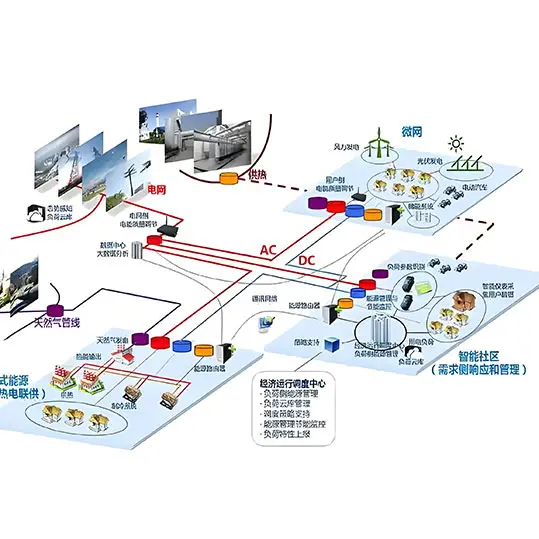
Combining PV systems with ESS in urban areas offers significant benefits, enhancing energy resilience and reliability. Urban microgrids can operate independently from the main grid, and an increasing number of microgrids are being developed to provide local energy solutions that can withstand grid outages and other disruptions. PV and ESS systems are crucial in these microgrids, ensuring a stable power supply. For example, during peak demand or grid failures, ESS energy can sustain critical services and infrastructure, including hospitals, emergency services, and data centers. This capability enhances urban energy system resilience, supporting community sustainability. Additionally, urban microgrids alleviate pressure on the central grid, enabling better management of local energy production and usage. The flexibility of integrated solutions allows for improved energy management and distribution, contributing to grid stability and reducing the risk of widespread outages. These applications of integrated PV and ESS systems contribute to building more robust, environmentally friendly, and efficient urban energy networks.
Future Trends in PV and ESS Integration
The future of PV and ESS integration looks promising, driven by significant advancements and favorable market trends. One major trend is the progress in battery technologies, such as solid-state batteries and flow batteries. Solid-state batteries offer higher energy density and safety compared to traditional lithium-ion batteries, while flow batteries provide scalable storage, ideal for large-scale applications.
Integration with smart grids and the Internet of Things (IoT) is another important trend. Smart grids utilize advanced sensors, communication, and control systems to optimize energy management. By incorporating PV and ESS into smart grids, power companies can enhance grid reliability and energy efficiency, enabling real-time energy monitoring and management.
Policy support and market trends are also driving the adoption of integrated solutions. Governments worldwide are implementing policies and incentives to promote renewable energy and energy storage. These include tax credits, subsidies, and regulations encouraging investment in green energy. Additionally, growing awareness of climate change and the need for sustainable energy is increasing market demand for integrated PV and ESS systems.
Summary
At IMAX Power, we are dedicated to advancing the integration of solar power generation and energy storage. Our innovative solutions tackle the challenge of solar intermittency by storing excess energy, ensuring a reliable power supply. Our products, including advanced lithium-ion batteries, thermal management systems, and intelligent energy management systems, make integrated PV and ESS systems more efficient, reliable, and stable.
We have integrated these technologies to support large-scale solar farms and urban microgrids, demonstrating our commitment to sustainable energy. The French SHINES project and urban microgrids showcase our success, reducing energy costs and enhancing grid resilience.
Keywords
- Photovoltaic (PV) Power Generation
- Energy Storage Systems (ESS)
- PV and ESS Integration
- IMAX Power
- Load Balancing
- Grid Stability
- Backup Power
- Large-Scale Solar Farms
- Urban Microgrids
- Future Trends in PV and ESS Integration