Solution Value
- Enhance Grid Regulation Capability: Balance regional power fluctuations and strengthen grid operation stability. This ensures a reliable and consistent power supply.
- Support Large-Scale New Energy Grid Integration: Smooth renewable energy output and increase the consumption ratio. This promotes the utilization of clean energy.
- Achieve Energy Storage Resource Sharing: Multiple entities jointly build and share energy storage, boosting asset utilization. Shared resources reduce costs and improve efficiency.
- Expand Diversified Profit Models: Support multiple scenarios such as peak shaving, frequency regulation, and leasing for revenue. Diverse income streams enhance economic returns.
- Establish Intelligent Dispatch System: EMS unified management and optimization scheduling improve overall energy efficiency. Smart dispatch optimizes energy use.
- Promote Green Energy Transformation: Facilitate local consumption of clean energy and build a low-carbon power system. This supports sustainable development goals.
- Strengthen System Safety Protection: Multi-level protection and remote monitoring ensure stable energy storage system operation. Safety is crucial for system reliability.
Key Core Products & Technical Systems
Module Products
Imax energy storage converters PCS/Bidirectional DCDC/MPPT/STS/BMS/EMS (assuming these are the module products under the Imax Power brand; adjust if actual product names differ)
System Products
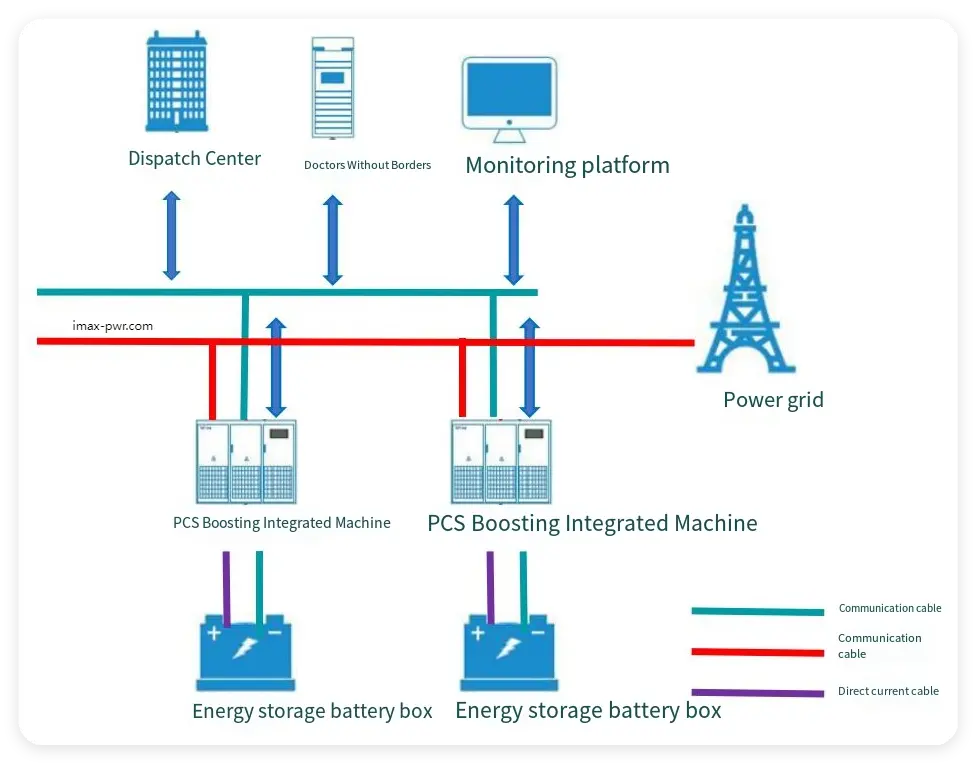
Imax Power integrated energy storage system
Primary Dimensions
System Architecture Layer
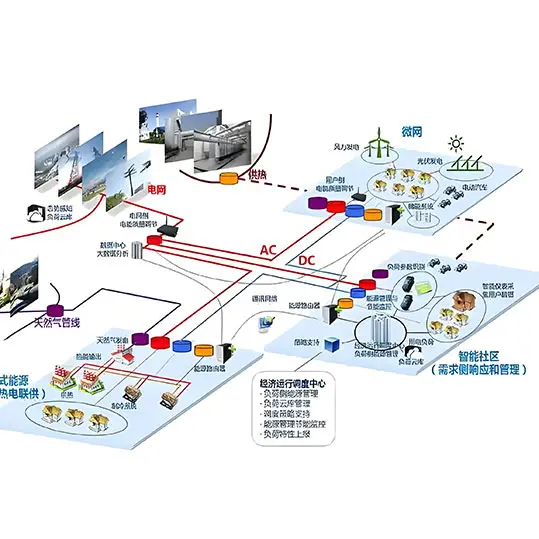
- System Form: Multi-user shared architecture. Support collaboration among multiple users and substations to enhance energy storage utilization. Shared systems maximize resource use.
- Grid Integration Mode: Source-side and grid-side bidirectional interconnection. Enable bidirectional energy flow between the grid and energy storage, supporting peak shaving and standby power.
- Energy Routing: Regional energy sharing. Connect energy routes virtually to achieve cross-regional energy sharing. This optimizes energy distribution.
Dispatch Control Layer
- Dispatch Algorithm: Shared dispatch and allocation optimization. Use dynamic dispatch algorithms based on capacity and demand matching. Optimized dispatch improves efficiency.
- Coordination Mechanism: Multi-node power coordination control. Ensure power balance and frequency stability across various sites. Coordinated control enhances grid stability.
- Strategy Optimization: Market-oriented operation control. Maximize benefits from power spot trading and auxiliary services. Market-oriented strategies boost profitability.
Equipment Technology Layer
- Power Support: High-power high-voltage PCS cluster. Modular parallel operation supports MW-level rapid response. High-power support meets large-scale demands.
- Battery System: High-energy-density core system. Optimize core selection and management to extend energy storage duration and safety. Efficient batteries ensure reliable storage.
- Electrical Safety: High-voltage isolation and fault protection. Implement multi-level protection strategies to prevent cross-system fault propagation. Safety measures protect the system.
- Energy Management: Dual-layer EMS system. Achieve global and local dual-layer scheduling through cluster and station-level EMS linkage. Integrated management optimizes performance.
Intelligent Operation and Maintenance Layer
- Status Monitoring: Cloud-edge collaborative monitoring. Combine real-time data collection with edge intelligent processing to enhance response speed. Real-time monitoring ensures system health.
- Data Analysis: AI energy prediction and load learning. Predict power demands and market changes in advance for proactive scheduling. Predictive analysis improves planning.
- System Optimization: SOH/SOC dynamic assessment. Accurately grasp energy storage health and remaining capacity to optimize operation strategies. Optimization enhances efficiency.
- Safety Strategy: Multiple redundancy and self-healing design. Implement fault self-diagnosis and system self-recovery mechanisms to ensure continuous operation. Safety strategies prevent disruptions.