
High-Reliability Charging Solutions: The Cornerstone of NEV Charging Infrastructure
Overview
High-reliability charging solutions form the backbone of new energy vehicle (NEV) charging infrastructure. Their core mission is to ensure a stable, safe, and efficient charging experience. These solutions go beyond hardware performance, integrating software management, network communication, and security protection. By leveraging advanced power electronics, intelligent control algorithms, and fault diagnosis systems, they effectively address complex charging environments and emergencies, providing reliable services to NEV users.
Core Advantages and Characteristics
High Stability
- Redundant Design: Implement fault-tolerant technology to maintain steady charging equipment operation under diverse conditions.
- Grid Adaptability: Handle grid issues like voltage fluctuations and frequency variations seamlessly.
High Security
- Multi-Layer Protection: Incorporate overvoltage, overcurrent, short-circuit, leakage, and temperature protection mechanisms.
- Advanced Monitoring: Utilize insulation monitoring and grounding protection to safeguard personal and equipment safety.
High Efficiency
- Efficient Conversion: Minimize energy losses and boost charging efficiency through advanced power conversion technology.
- Intelligent Distribution: Support dynamic load balancing for optimal charging resource utilization.
Intelligence
- Remote Management: Offer remote monitoring, fault diagnosis, and early warning for streamlined operation and maintenance.
- Optimized Strategies: Enable intelligent charging management based on battery status and user needs.
Interoperability
- Standard Compliance: Adhere to international and national charging standards for compatibility across NEV brands and models.
- Flexible Communication: Support multiple protocols and payment methods for user convenience.
Application Scenarios
Public Charging Stations
- Fast Service: Deliver quick and convenient charging for electric vehicles, catering to on-the-go users.
Residential Communities
- Daily Convenience: Meet residents’ routine charging needs, enhancing home charging convenience.
Commercial Parking Lots
- Supporting Facilities: Provide charging infrastructure for commercial venues, attracting electric vehicle users.
Highway Service Areas
- Long-Distance Support: Satisfy rapid recharging needs for long-distance electric vehicles, ensuring uninterrupted travel.
Industrial Application Scenarios
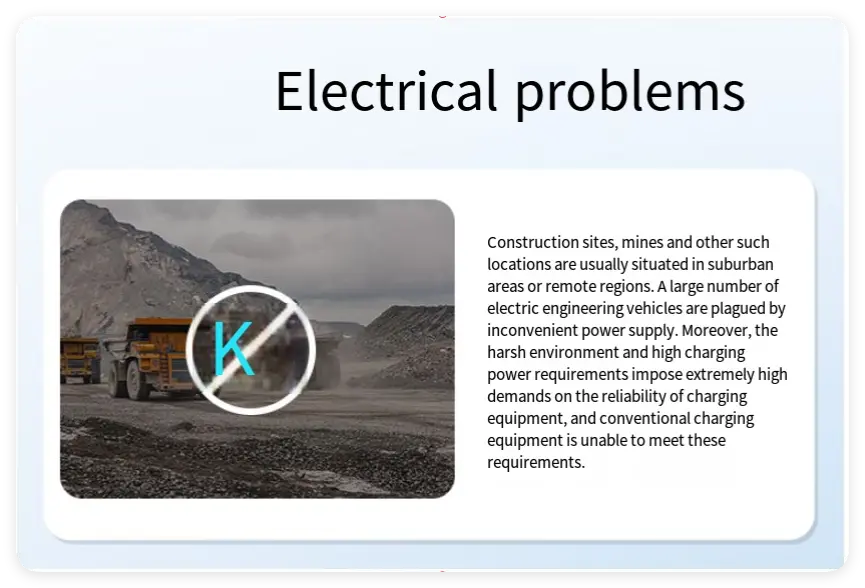
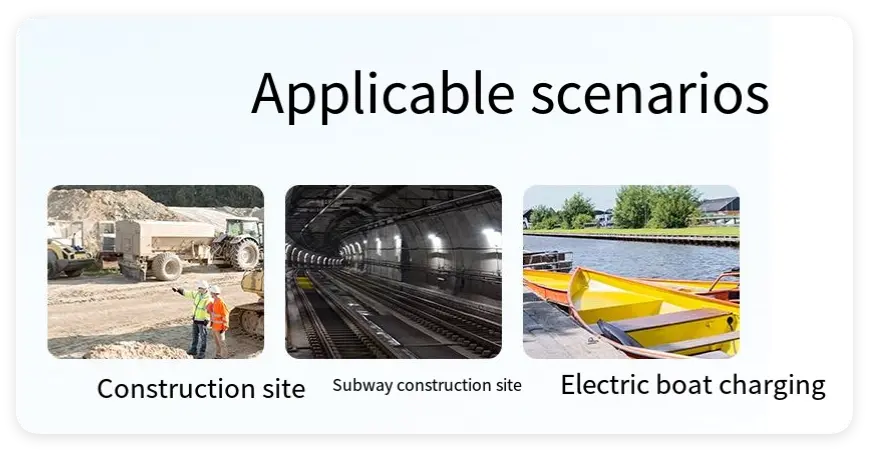
- Specialized Charging: Address charging requirements for industrial applications, including Automated Guided Vehicles (AGVs), electric engineering vehicles, and electric ships.
Conclusion
High-reliability charging solutions are essential for the growth and sustainability of NEV charging infrastructure. By ensuring stability, security, efficiency, intelligence, and interoperability, they provide a robust foundation for the widespread adoption of electric vehicles. As the demand for NEVs continues to rise, these solutions will play an increasingly vital role in shaping the future of transportation.
Keywords: High-Reliability Charging, NEV Charging Infrastructure, Stable Charging, Safe Charging, Efficient Charging, Intelligent Charging, Interoperability, Public Charging Stations, Residential Charging, Industrial Charging