Data Center Energy Storage Solutions: Paving the Way for Efficient, Reliable, and Green Operations
Overview
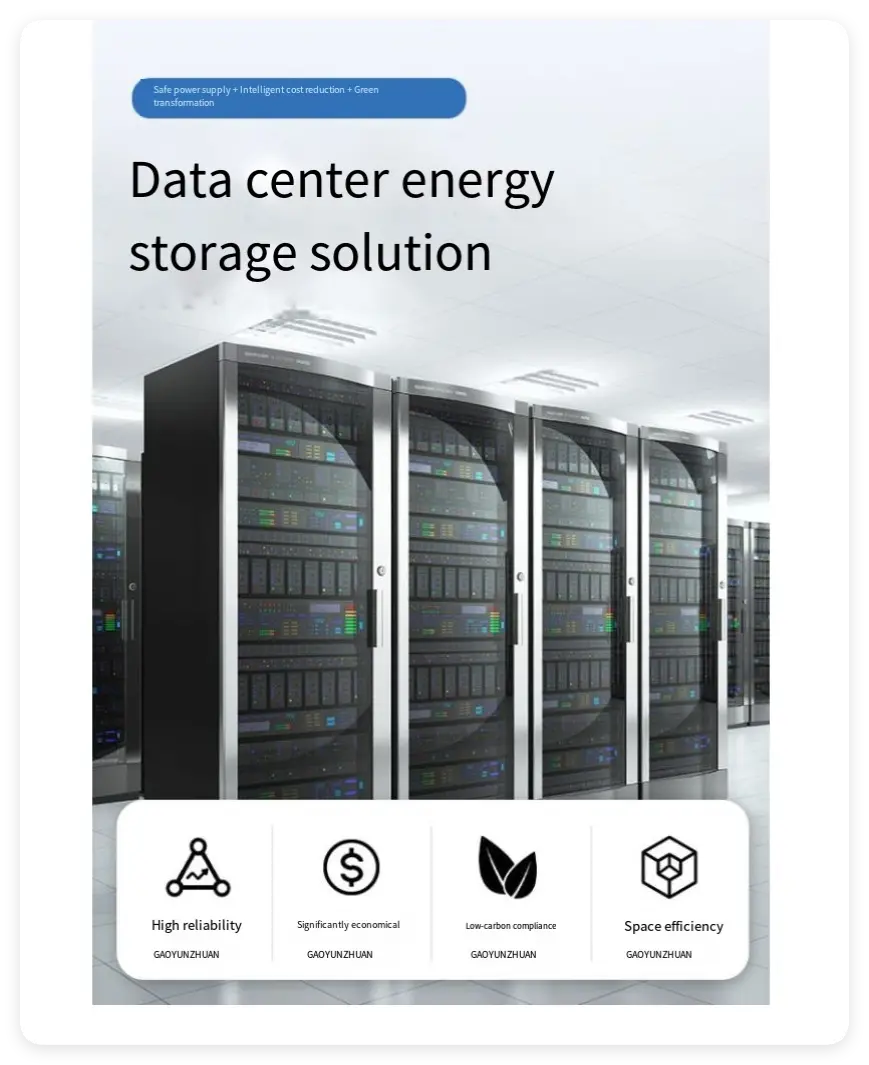
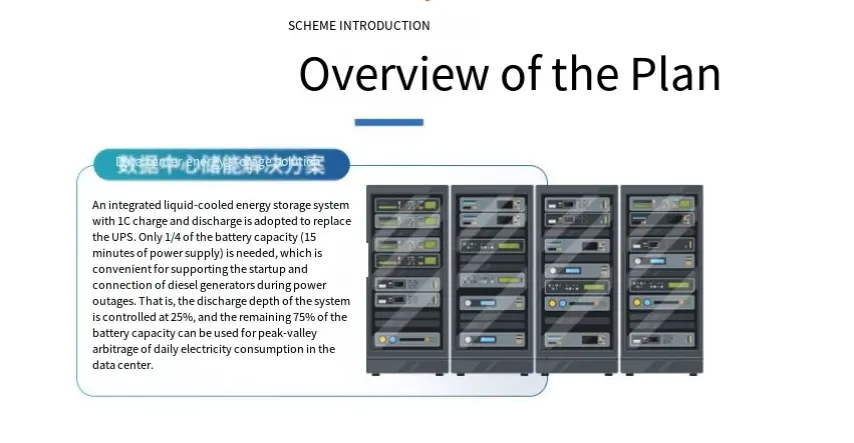
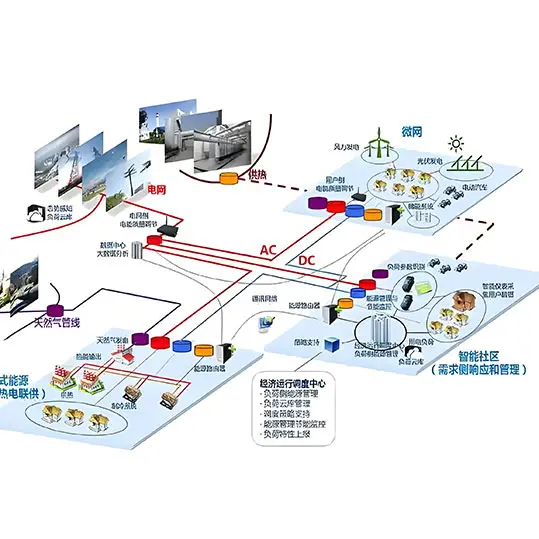
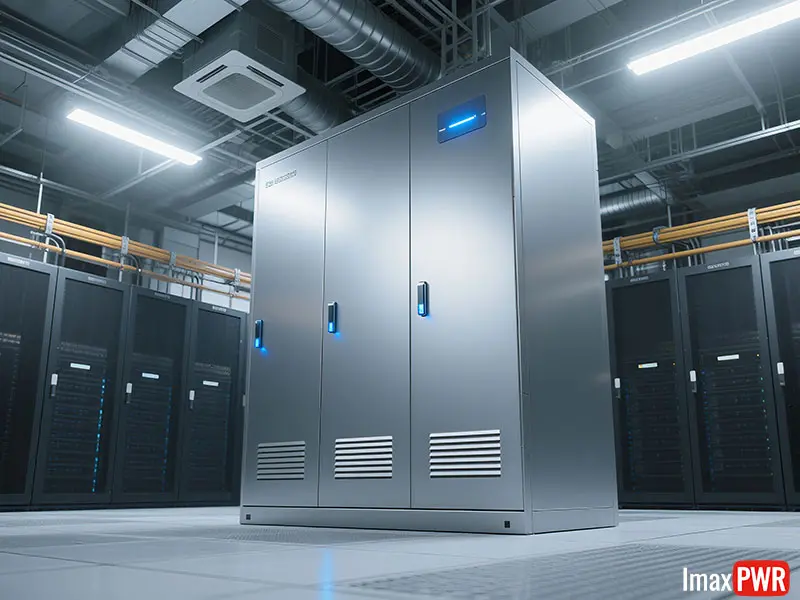
Data center energy storage solutions serve as a pivotal technology to meet escalating energy demands and sustainability challenges in data centers. By integrating energy storage systems, these solutions optimize energy usage, enhance efficiency and reliability, and reduce carbon emissions. They provide backup power during grid failures, alleviate grid pressure during peak loads through peak shaving and valley filling, and lower operational costs. Moreover, they facilitate seamless integration of renewable energy sources like solar and wind power, fostering sustainable, green data centers.
Core Advantages
Enhanced Energy Reliability
- Uninterrupted Operation: Energy storage systems supply backup power during grid outages, minimizing business disruptions and data loss risks.
Optimized Energy Efficiency
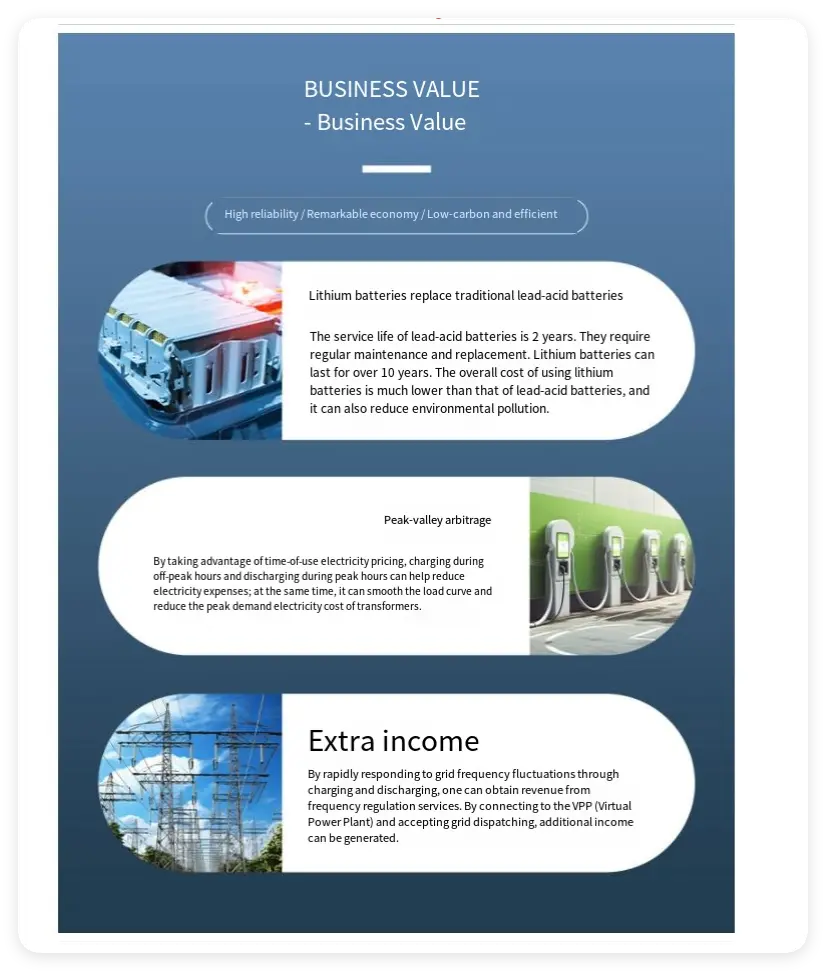
- Peak Shaving & Valley Filling: Intelligent energy management systems reduce electricity costs by storing energy during low-demand periods and releasing it during peak grid loads.
- Renewable Energy Utilization: Energy storage enhances the use of renewable energy, diminishing reliance on traditional energy sources.
Reduced Carbon Emissions
- Green Development: By integrating renewable energy, storage solutions decrease fossil fuel dependence, lowering carbon emissions for sustainable growth.
Improved Grid Stability
- Grid Pressure Alleviation: Energy storage systems release stored energy during peak grid loads, enhancing overall grid stability.
Key Technologies
Energy Storage Technology
- Efficient Storage: Lithium-ion batteries, flow batteries, and other technologies provide reliable energy storage for data centers.
Energy Management System (EMS)
- Real-Time Control: An intelligent EMS monitors and manages energy storage operations, optimizing energy distribution and enabling peak shaving, valley filling, and backup power switching.
Power Conversion System (PCS)
- Bidirectional Energy Flow: The PCS converts direct current from energy storage into alternating current, facilitating seamless grid interaction.
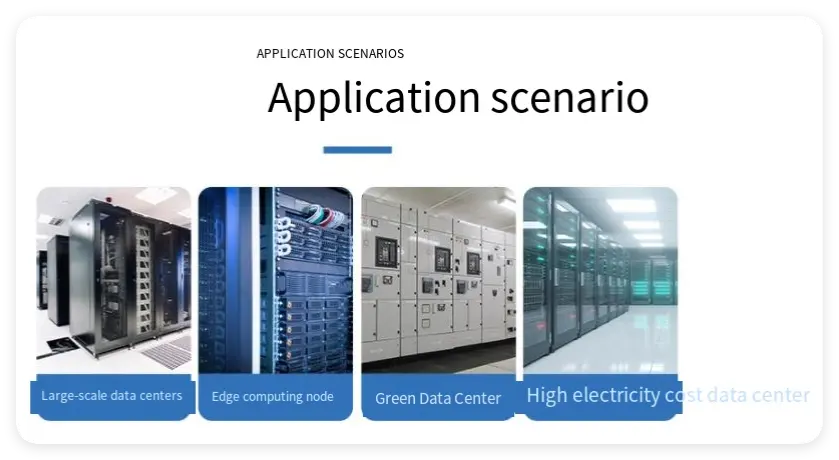
Application Scenarios
Backup Power
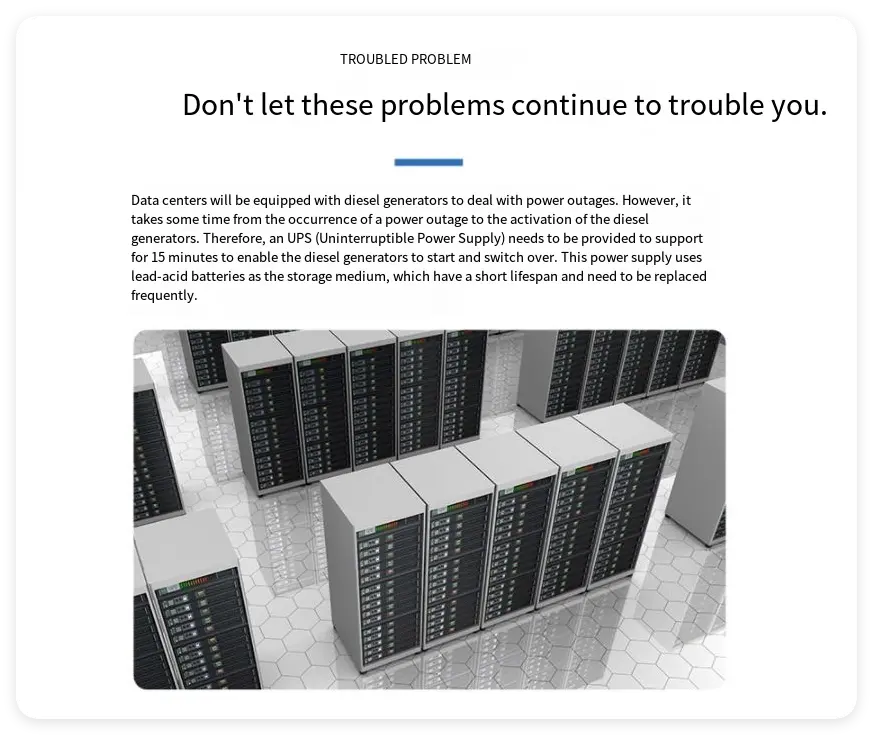
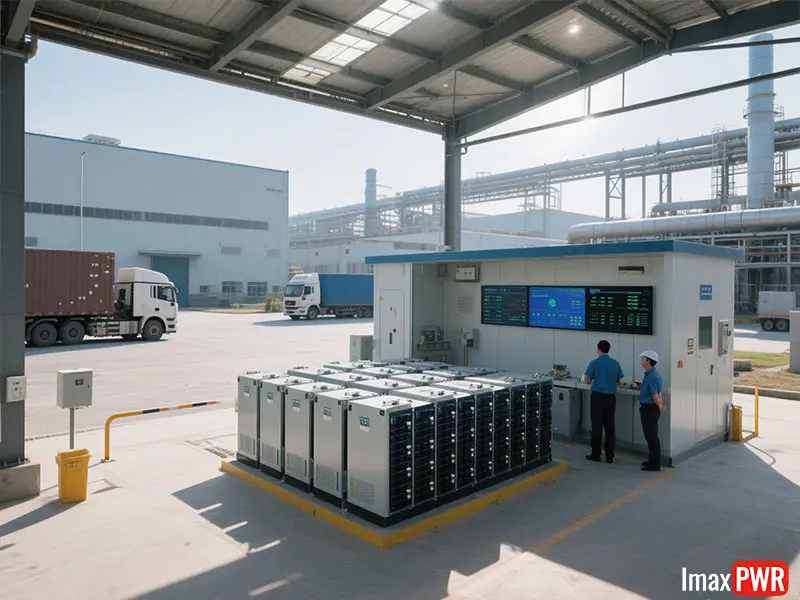
- Emergency Support: Energy storage systems provide critical backup power during grid failures, ensuring continuous data center operations.
Peak Shaving and Valley Filling
- Cost Reduction: During peak grid loads, stored energy is released to lower electricity costs for data centers.
Renewable Energy Integration
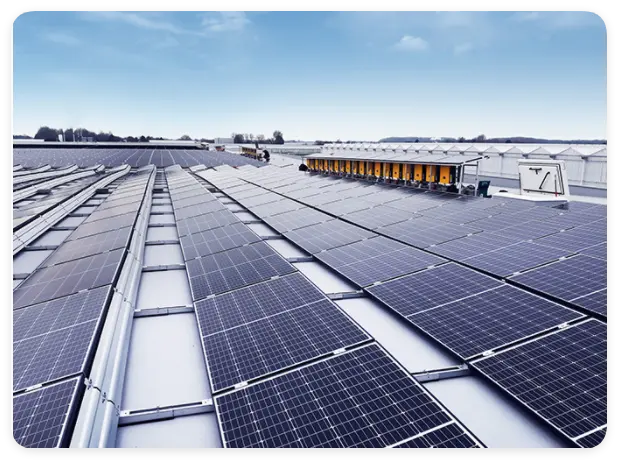
- Enhanced Utilization: Energy storage systems store and release renewable energy like solar and wind power, improving their utilization rates.
Microgrid Construction
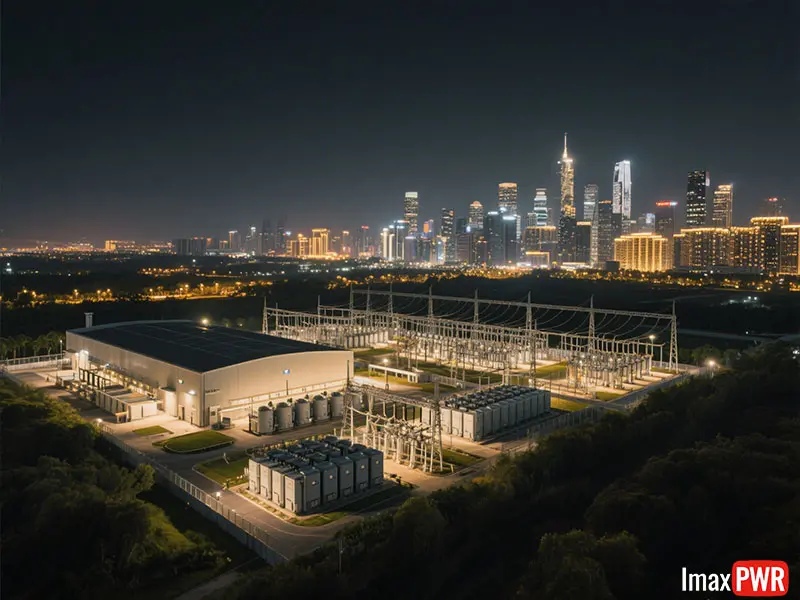
- Energy Self-Sufficiency: Combining energy storage with distributed energy sources creates data center microgrids, boosting energy independence.
Conclusion
As data center energy demands soar and sustainability becomes paramount, energy storage solutions will play an increasingly crucial role. They provide robust support for efficient, reliable, and green data center operations, laying the foundation for a sustainable digital future.
Keywords: Data Center Energy Storage, Energy Efficiency, Renewable Energy Integration, Peak Shaving, Valley Filling, Backup Power, Green Data Centers, Energy Management System