Why Energy Storage Is Becoming Core Infrastructure, Not Optional Equipment
1. From Auxiliary to Essential
Ten years ago, energy storage was considered optional. Today, it is increasingly treated as core electrical infrastructure.
This shift did not happen because batteries became cheaper alone—it happened because power electronics and control systems matured enough to integrate storage into real-world grids and industrial systems.
2. Modern Power Systems Are Inherently Unstable
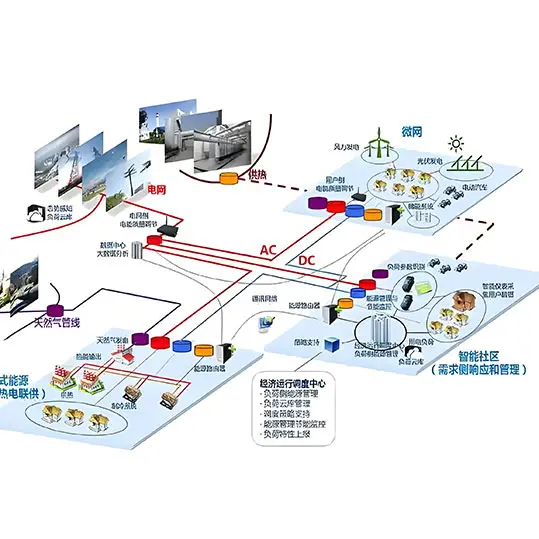
Renewables, variable loads, EV charging, and distributed generation all introduce volatility. Traditional grids were not designed for this level of fluctuation.
Energy storage acts as a stabilizing layer, absorbing disturbances before they propagate. Without it, grids rely on overcapacity and conservative margins—both expensive and inefficient.
3. Energy Storage as a Power Quality Tool
In many industrial applications, the first motivation for storage is not energy arbitrage but power quality improvement:
-
Voltage dips
-
Frequency deviations
-
Sudden load changes
A properly designed storage system, supported by robust power conversion products, can respond in milliseconds—faster than mechanical or grid-based solutions.
4. Why Infrastructure Thinking Matters
Treating energy storage as infrastructure changes how it is designed:
-
Emphasis on reliability over peak specs
-
Long-term thermal and electrical stress analysis
-
Redundancy and fault tolerance
This mindset aligns closely with how IMAX Power designs its power products and energy storage solutions—prioritizing stability over headline numbers.
👉 https://imax-pwr.com/product/
5. The Cost of Treating Storage as “Optional”
Systems that treat energy storage as an add-on often suffer from:
-
Poor integration
-
Communication conflicts
-
Accelerated battery degradation
Engineering-led integration avoids these pitfalls by considering storage from the system architecture stage.
6. Conclusion
Energy storage is no longer an accessory. It is becoming a structural component of modern power systems, and its value depends on engineering quality rather than conceptual appeal.