Imax Power’s Charging and Battery Swap Facility Construction Solution: From “Can Charge” to “Fast Charging, Short Queues, and Profitable Operations”
When it comes to the charging station business, two phrases are the biggest nightmares:
- “It’s installed, but the queues are endless.”
- “It’s built, but electricity costs eat up all the profits.”
Many projects don’t lack equipment; they lack a comprehensive engineering approach. Issues in site selection, capacity calculation, power distribution upgrades, charging strategies, maintenance systems, fire safety compliance, and business models can turn a station into a mere decoration.
Imax Power offers a comprehensive solution for charging and battery swap facilities, covering AC slow charging, DC fast charging, ultra-fast charging, high-power charging for heavy-duty trucks, battery swap stations, and integrated photovoltaic-energy storage-charging systems. From planning and design to delivery and maintenance, we help clients achieve: reliable charging access, fast charging speeds, stable operations, long-term durability, and profitable returns.
1. What Are We Actually Building in Charging and Battery Swap Facilities? Not Just Charging Piles, but “Energy Supply Capabilities”
Many people mistakenly equate a charging station with charging piles. In engineering terms, what we deliver is “energy supply capabilities,” which include at least the following components:
Station-side Power Access
- Transformer capacity
- Power distribution cabinets
- Metering and protection devices
Charging Systems
- AC charging piles
- DC charging piles
- Ultra-fast/high-power charging terminals
Energy Management
- Load distribution
- Dynamic power scheduling
- Peak shaving and valley filling
Operation Systems
- Billing and payment
- Vehicle identification
- Queue management
Safety and Compliance
- Fire safety
- Grounding and leakage protection
- Monitoring and alarm systems
Maintenance Systems
- Remote monitoring
- Fault closure loops
- Spare parts management and inspections
In short, building a charging station is not just about installing equipment; it’s about constructing a long-term, stable “energy supply system.”
2. Clear Differentiation: The Core Demands of Three Types of Stations Are Completely Different
1) Park/Commercial Charging Stations: Aim for “Cost Savings + Hassle-Free Operations”
Typical Clients: Parks, shopping malls, office buildings, residential parking lots
Core Demands:
- No overcapacity or tripping issues
- Cost savings through time-of-use electricity pricing
- Minimal maintenance and smooth user experience
- Clear accounting (ability to charge management/service fees)
2) Fleet/Logistics Charging Stations: Aim for “Efficiency + Scheduling”
Typical Clients: Urban distribution logistics, sanitation services, ride-hailing companies
Core Demands:
- No congestion during nighttim (concentrated) charging
- Reliable simultaneous charging for multiple vehicles
- Controllable charging queues
- Easy fleet scheduling and settlement management
3) Heavy-Duty Truck/Trunk Line Refueling Stations: Aim for “High Power + Fast Turnover”
Typical Clients: Heavy-duty truck trunk lines, ports, mining areas, yards
Core Demands:
- High single-gun power for fast charging
- Feasible station-side capacity upgrades
- High equipment reliability
- Integration with energy storage for peak shaving (to avoid exorbitant electricity costs)
In summary, the “optimal solution” for station construction varies significantly across different scenarios.
3. Core Steps in the Construction Solution: Calculate Before You Break Ground
A qualified charging and battery swap project must start with “three engineering calculations”:
1) Calculate Vehicle Demands: How many vehicles? How long to charge? How much energy per charge?
Key Data:
- Average daily operating mileage
- Energy replenishment per vehicle (kWh/day)
- Charging window (nighttime (concentrated) or all-day dispersed)
- Allowable queue time and turnover requirements
2) Calculate Power Demands: What transformer capacity is needed? Will there be overcapacity issues?
Many stations “trip immediately after construction” due to a fundamental misunderstanding: charging power represents peak loads, not averages.
We evaluate:
- Simultaneous charging ratio (concurrency)
- Power叠加 (superposition) curves
- Transformer margins and scalability
- Impact of demand charges and peak-valley price differentials
3) Calculate Financial Viability: CAPEX + OPEX + Payback Period
- Equipment investment: charging piles, cabinets, transformers, civil works
- Electricity cost structure: demand/capacity charges, peak-valley pricing
- Operational revenue: service fees, parking fees, fleet monthly packages
- Maintenance costs: failure rates, spare parts, labor
In short, starting construction without clear calculations leads to either financial losses or disputes down the line.
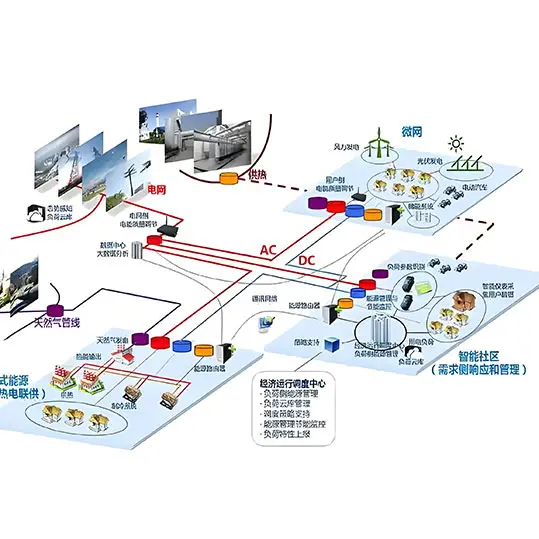
4. Charging Station System Architecture: A Seamless Chain from Grid to Vehicle
A typical DC charging station architecture consists of:
Grid Connection
→ Transformer (capacity upgrade/new installation)
→ Low-voltage power distribution cabinet (metering/protection/branching)
→ Charging host (rectifier modules)
→ Charging terminals (guns/piles)
→ Vehicle (OBC/battery system)
Supporting Systems:
- Station control system/platform (billing, payment, operations)
- Power distribution control (dynamic power allocation)
- Video surveillance and fire safety systems
- Maintenance monitoring (alarms, logs, remote diagnostics)
The true determinant of “queue length” is not the number of charging piles but the power allocation strategy.
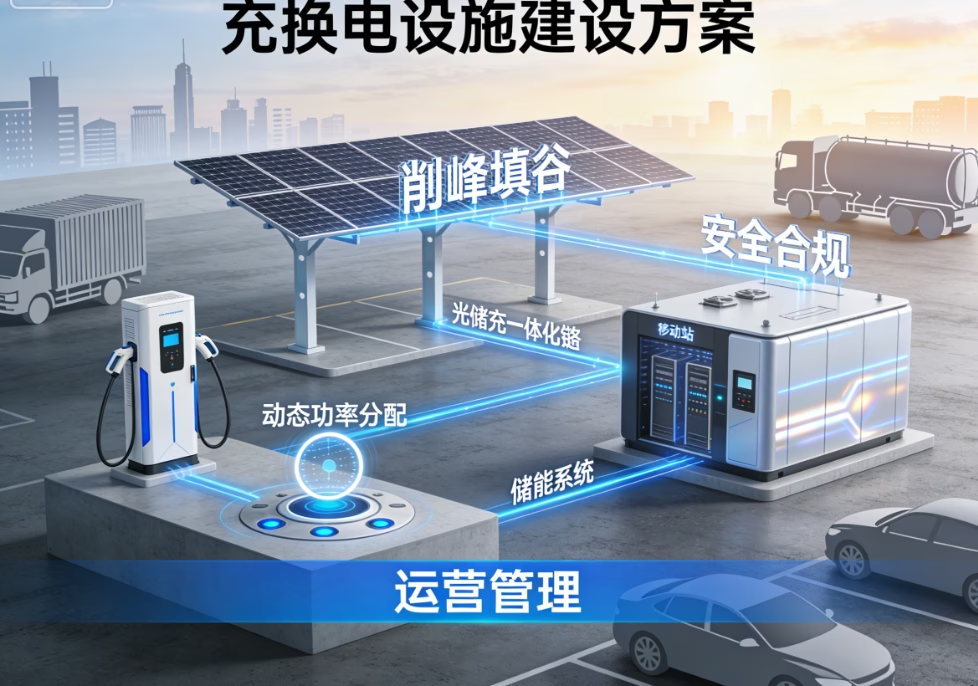
5. Key Capability 1: Dynamic Power Allocation – Keeping the Station Running Smoothly
Many stations face (awkward) situations:
- Plenty of piles, but insufficient total power; or sufficient total power, but poor allocation.
We provide dynamic power allocation strategies with typical effects:
- Automatic power distribution among multiple vehicles charging simultaneously
- Automatic power reduction for vehicles with high battery SOC (state of charge) to prioritize those in greater need
- Fleet priority: prioritize operational vehicles over public ones
- Automatic power limiting during station-side load constraints to prevent tripping
In short, what matters is the “station throughput,” not the “number of piles.”
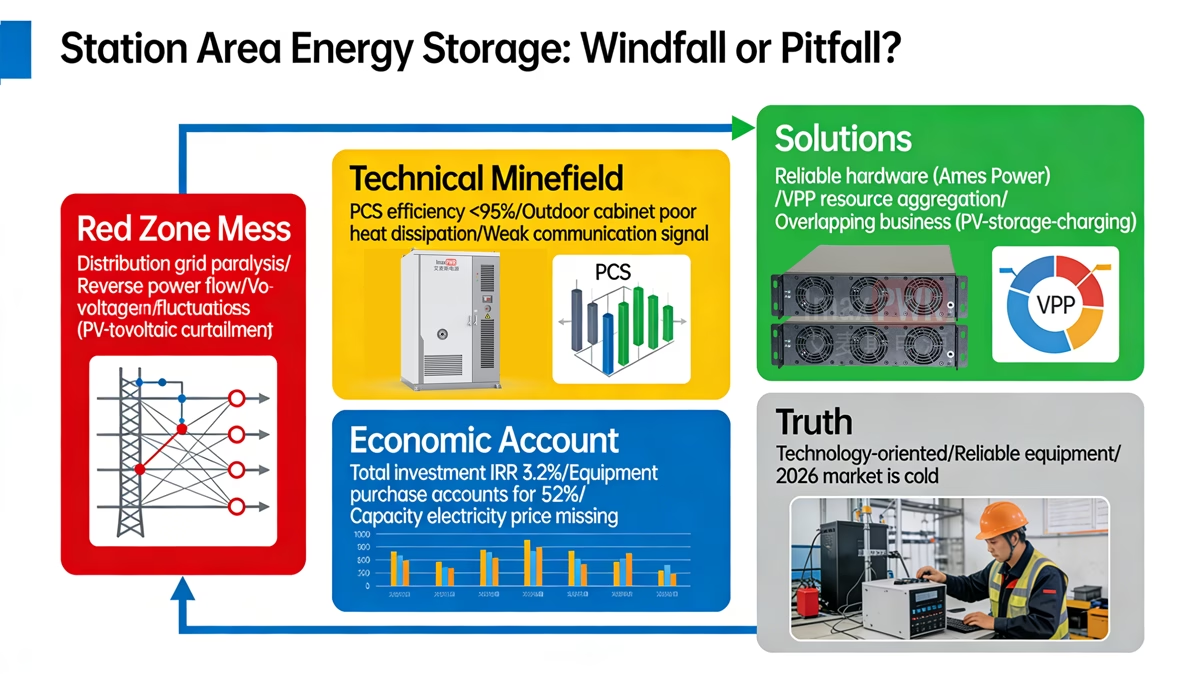
6. Key Capability 2: Peak Shaving, Valley Filling, and Integrated Photovoltaic-Energy Storage-Charging – Turning Electricity Costs from a “Assassin” to a “Friend”
The largest cost for charging stations often isn’t equipment depreciation but electricity cost structures, especially:
- High peak-time electricity prices
- Expensive demand charges
- Heavy-duty truck charging pushing demand charges to extremes
Therefore, we recommend that eligible stations prioritize:
1) Energy Storage for Peak Shaving (BESS)
- Charge storage during off-peak hours
- Supply vehicles during peak hours
- Reduce station-side maximum demand
- Alleviate grid capacity upgrade pressures
2) Photovoltaic Self-Consumption (PV)
- More cost-effective daytime energy replenishment
- Coordinate with energy storage for energy shifting
- Enhance long-term revenue stability for the station
In short, integrated photovoltaic-energy storage-charging isn’t just a gimmick; it’s the underlying structure for profitability.
7. Battery Swap Station Solution: Ideal for “High Turnover, Heavy Operations, Strong Standardization” Scenarios
Battery swapping isn’t a universal solution, but it excels in certain scenarios:
Which Vehicles Are Best Suited for Battery Swapping?
- Fleets with high utilization, expensive time, and a need for rapid turnover
- Heavy-duty trucks on trunk lines, port/mining vehicles
- Standardized vehicle models under unified management
Core Value of Battery Swap Stations
- Reduce refueling time from “hourly” to “minute-level”
- Increase vehicle utilization rates
- Enable centralized battery management and maintenance
- Implement unified charging strategies (for better electricity pricing)
Key Considerations for Battery Swap Station Construction
- Battery standardization and compatibility
- On-site battery inventory levels (affecting wait times)
- Charging power and battery health management
- Mechanical structures, fire safety, and safety isolation
In short, charging addresses “energy,” while battery swapping addresses “time.”
8. Safety and Compliance: The Top Priority to Avoid “Business Suspension for Rectification”
Safety must be the foremost consideration in charging and battery swap station construction, especially regarding:
- Grounding and leakage protection
- Short-circuit and overcurrent protection
- High-temperature and abnormal condition alarms
- On-site fire safety system configuration and access
- Charging area surveillance and warnings
- Equipment protection ratings and outdoor reliability
In short, safety isn’t a cost; it’s the ticket to long-term operations.
9. Delivery Scope: We Deliver “Operational Stations,” Not Just Equipment
Imax Power provides end-to-end delivery for charging and battery swap facilities:
- Site planning and capacity calculation (vehicle-power-finance “three calculations”)
- Construction drawing design and power distribution solutions (capacity upgrades/new installations)
- Equipment integration: charging hosts, terminals, power distribution, monitoring, and platforms
- Commissioning and operation: joint debugging, billing, and strategy configuration
- Maintenance system: remote monitoring, alarm closure loops, inspections, and spare parts recommendations
- Optional: Integrated photovoltaic-energy storage-charging system integration and peak shaving strategies
In short, we deliver based on a “power station mindset,” ensuring not just construction but profitability.
10. Frequently Asked Questions
Q1: What’s the most common pitfall in building a charging station?
A: Failing to calculate capacity before installing equipment, leading to overcapacity tripping, soaring demand charges, and severe queuing issues.
Q2: Are more charging piles always better?
A: No. The core lies in station-side capacity and power allocation strategies. More piles with insufficient total power only mean “more queue positions.”
Q3: Why is high-power charging for heavy-duty trucks challenging?
A: The main difficulties lie in station-side capacity upgrades, demand charges, grid carrying capacity, and thermal management reliability, requiring system-level design.
Q4: When is integrated photovoltaic-energy storage-charging worthwhile?
A: It offers high value when peak-valley price differentials are significant, demand charges are high, station-side capacity is tight, or long-term cost reduction and revenue growth are desired.
11. Next Steps: Obtain the “Charging and Battery Swap Station Construction Proposal” (Including Capacity + Budget)
Provide the following information, and we’ll quickly generate a feasible plan:
- Station type: Park/fleet/heavy-duty truck/mixed
- Vehicle quantity and models: Battery capacity, charging rate
- Average daily energy replenishment and charging time windows
- Site conditions: Available area, number of parking spaces
- Consideration for photovoltaic/energy storage/battery swapping
We’ll deliver:
✅ Station-side capacity and transformer recommendations
✅ Charging pile type configuration and quantity recommendations
✅ Queue and throughput estimation logic
✅ Preliminary investment budget and operational revenue calculation framework
Imax Power | Charging and Battery Swap Facility Construction Solution: Ensuring Your Station is “Buildable, Smooth-Running, and Profitable.”